
Neillia thyrsiflora
Neillia thyrsiflora
Description
Growing requirements
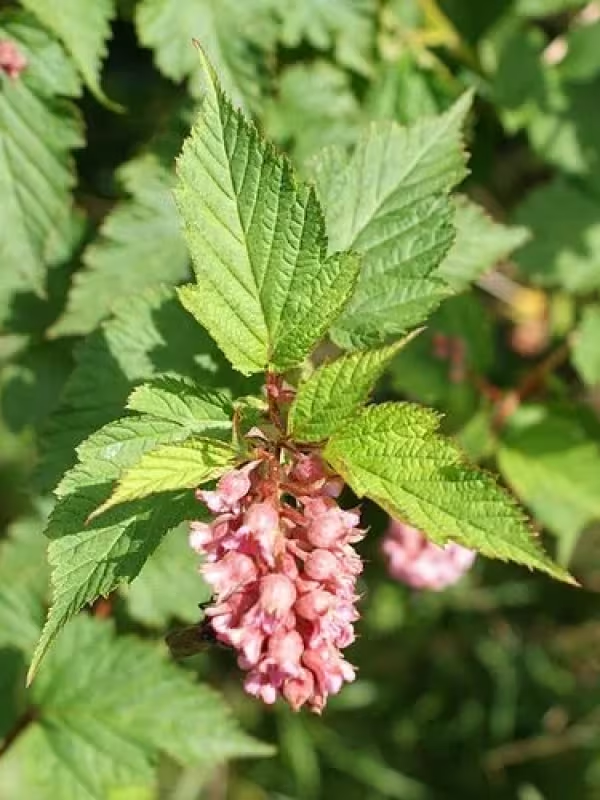
Neillia thyrsiflora is a deciduous shrub species belonging to the Rosaceae family. Known for its graceful, arching habit, it typically grows between two to three meters in height, displaying slender branches that are densely covered with foliage during the growing season.
The plant is native to the mountainous regions of the Himalayas, Southeast Asia, and China. It naturally thrives in moist, wooded environments, which dictates its preference for sites with higher ambient humidity and protection from harsh environmental stressors.
In cultivation, Neillia thyrsiflora requires fertile, humus-rich soil with a neutral to slightly acidic pH. Good drainage is essential, as the plant is susceptible to root rot if placed in waterlogged conditions, yet it cannot tolerate extended periods of extreme drought.
Cultural practices should include regular watering during dry spells and the application of balanced organic fertilizers in early spring. Pruning is vital for maintaining the plant's structural integrity; removing old, woody stems encourages vigorous growth and better flowering.
Horticulturally, this species is prized for its ornamental value in landscaping. Its small, white to pale pink flowers are arranged in terminal racemes, creating a stunning display in late summer when few other shrubs are in peak bloom, making it a valuable addition to gardens.
Main diseases and pests
Common plant health issues for Neillia thyrsiflora primarily involve fungal diseases, especially in climates with high humidity or stagnant air. Powdery mildew is the most frequent concern, often appearing on leaves if the plant is too densely planted.
Insect pests, specifically aphids and spider mites, can cause significant damage by feeding on the sap of tender new shoots and leaves. Regular scouting of the foliage is recommended to catch infestations before they cause visible decline or leaf distortion.
To mitigate the risk of disease, gardeners should ensure adequate spacing between shrubs to promote airflow and prevent the buildup of moisture in the canopy. Good sanitation practices, such as removing fallen leaves, help reduce the incidence of spores.
Treatment options include the application of fungicides for fungal outbreaks and appropriate horticultural oils or insecticidal soaps for pest control. These should be applied carefully according to local environmental regulations for ornamental plants.
Winter hardiness is a major consideration for this species, as it may suffer dieback in regions with severe frosts. Providing a thick layer of mulch around the base of the shrub helps protect the root system from freezing and promotes healthier growth the following spring.