
Neillia thibetica
Neillia thibetica
Description
Growing requirements
Neillia thibetica is a deciduous shrub species belonging to the Rosaceae family. Native to the mountainous regions of Tibet and Western China, this plant is well-adapted to cool, temperate climates and moist environments, making it a unique addition to specific garden zones.
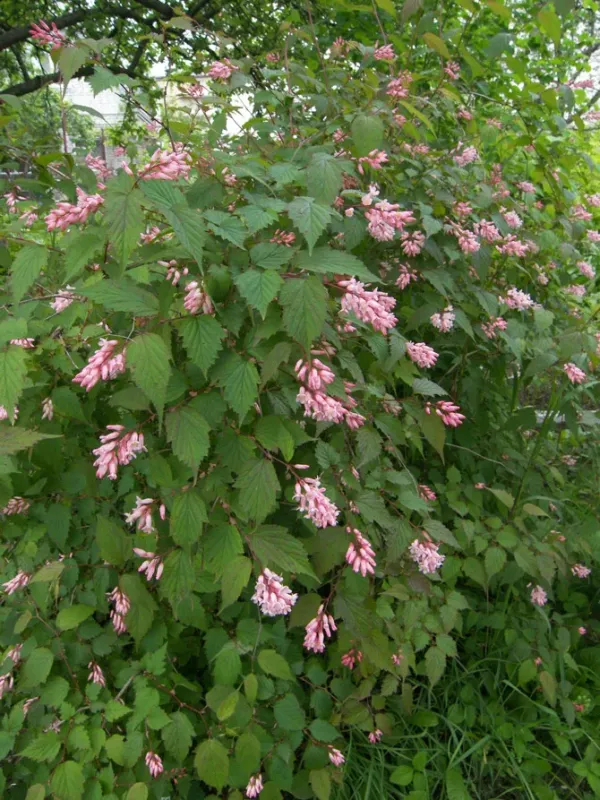
Botanically, it is recognized by its arching, slender stems and alternate, serrated leaves. The shrub produces attractive, pendulous racemes of small, pinkish-purple flowers, which make it highly valued during its blooming period in late spring and early summer.
For successful growth, Neillia thibetica requires fertile, well-drained soil with a neutral to slightly acidic pH. It thrives in locations that receive plenty of sunlight but benefit from partial shade during the hottest parts of the day to prevent the root system from drying out.
Agricultural care involves maintaining consistent soil moisture, especially during the first years of establishment. Pruning should be performed annually after the flowering period to remove dead wood and encourage the growth of vigorous new stems for the next season.
In landscaping, this plant is primarily used for ornamental purposes. It is often employed in shrub borders, woodland gardens, or as an informal hedge, providing a graceful, cascading structure that adds depth and color to a garden composition.
Main diseases and pests
The plant can be susceptible to common garden pests such as aphids, which tend to cluster on soft, new growth. Additionally, in areas with poor air circulation or high humidity, the shrub may develop fungal leaf spots or powdery mildew, requiring proper spacing and sanitation.