
Neillia
Neillia hybrids
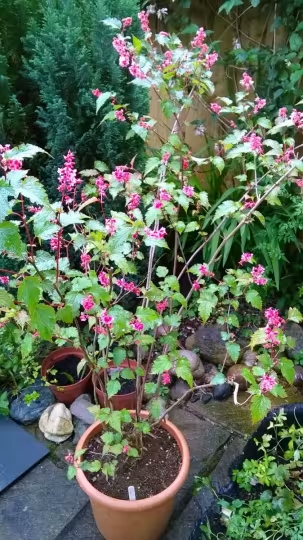
Description
Growing requirements
Neillia is a genus of deciduous ornamental shrubs belonging to the Rosaceae family. Native to East Asia, including China and the Himalayas, these plants are prized for their graceful arching stems and attractive racemes of bell-shaped flowers.
The plants typically reach a height of 1 to 2 meters. Their foliage is usually serrated and bright green, providing a lush backdrop for the delicate pink or white flower clusters that appear in late spring and early summer.
For optimal growth, Neillia requires a location with plenty of sunlight, although it can tolerate light shade. It performs best in fertile, humus-rich, and well-drained soil that maintains consistent moisture without becoming waterlogged.
The cultivation of Neillia involves regular watering during dry spells to support healthy foliage and flower production. While hardy in many temperate regions, it benefits from a layer of mulch around the base during the first winter after planting.
This shrub is highly versatile in landscape design, working well in shrub borders, woodland gardens, or as a focal point in smaller garden plots. It is an excellent choice for gardeners looking for low-maintenance yet visually striking flowering plants.
Main diseases and pests
Neillia is generally robust, but it can be susceptible to fungal diseases such as powdery mildew, especially in areas with high humidity and poor air circulation within the shrub.
Pests such as aphids can occasionally infest the soft new growth. These insects feed on plant sap, potentially causing leaf curling and stunting the growth of tender branches if left untreated.
Cultural control is essential: keeping the base of the plant free of debris and ensuring adequate spacing between shrubs helps prevent the accumulation of fungal spores and pests.
If an infestation occurs, horticultural oils or appropriate systemic insecticides can be applied to control aphids, while fungicides are recommended for managing powdery mildew.
Pruning is a vital aspect of health management; removing older, congested, or diseased stems encourages new growth and allows the plant to thrive by improving overall airflow and light penetration.