
Neillia longiracemosa
Neillia longiracemosa
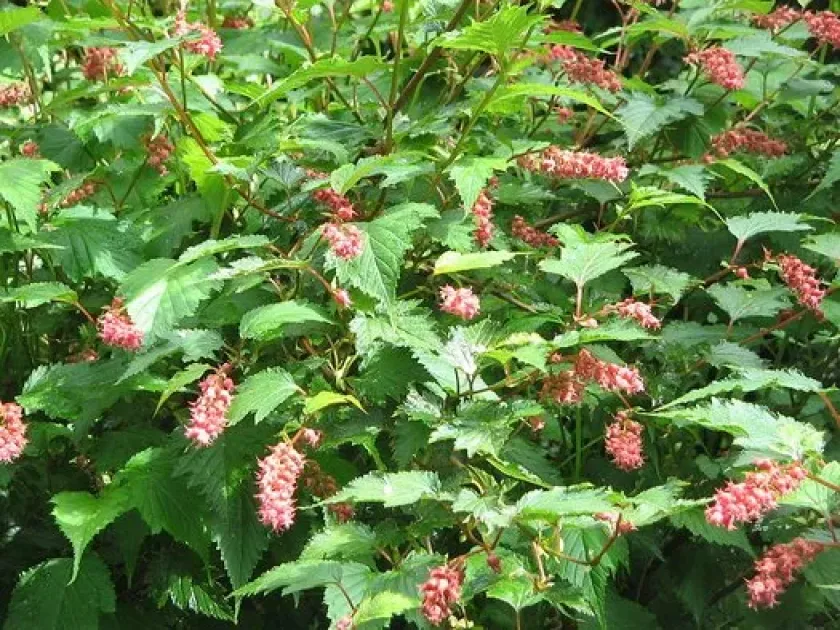
Description
Growing requirements
Neillia longiracemosa is a deciduous ornamental shrub belonging to the Rosaceae family. It is highly regarded by gardeners for its graceful form, delicate foliage, and long racemes of flowers that add significant aesthetic value to garden landscapes.
The species originates from temperate regions of China, where it thrives in forest margins and mountainous areas. In horticultural practice, it is used primarily as an ornamental specimen, adaptable to various garden styles provided its fundamental ecological needs are met.
The plant requires well-drained, fertile soil rich in organic matter. While it is adaptable to different soil types, it performs best when the substrate remains consistently moist but not waterlogged, as stagnant water poses a risk to the root system.
Regarding climate requirements, it prefers sunny to semi-shaded positions. Adequate sunlight exposure is essential to encourage prolific blooming, while protection from cold winter winds is recommended in regions experiencing extreme frost.
Agrotechnical maintenance involves regular pruning to preserve the plant's shape and stimulate new growth. Applying a balanced fertilizer during the spring growth phase, combined with consistent watering during dry periods, supports healthy development and flowering.
Main diseases and pests
Neillia longiracemosa is generally robust, but it can be susceptible to common Rosaceae diseases if conditions are suboptimal. Powdery mildew is the most frequent fungal issue, often occurring in environments with poor air circulation or high ambient humidity.
Pests such as aphids and spider mites can colonize the foliage during the warmer months. These pests cause damage by feeding on plant sap, which can lead to distorted leaf growth and a general decline in the shrub's vigor if left untreated.
The management of these threats relies on preventive measures, including proper spacing during planting to ensure adequate airflow within the canopy. Regular monitoring of the shrub allows for early detection of potential outbreaks.
Chemical or biological control methods should be implemented at the first sign of pest infestation or disease symptoms. Using broad-spectrum fungicides or insecticides, when necessary, helps protect the health and aesthetic quality of the plant.
Maintaining plant vigor through balanced nutrition and proper sanitation, such as removing dead or infected branches during annual pruning, is the most effective strategy for ensuring long-term health and minimizing disease pressure.