
Mysore raspberry
Rubus niveus
Description
Growing requirements
Mysore raspberry (Rubus niveus) is a perennial shrub belonging to the Rosaceae family. It is native to the mountainous regions of South and Southeast Asia, adapting well to high-altitude climates.
The plant thrives in well-drained, fertile soil. It performs best in soils with a slightly acidic to neutral pH level, requiring high organic matter content for optimal root system expansion.
In terms of light, the crop requires full sun to semi-shade conditions. Sufficient solar exposure is essential for the maturation of canes and the sugar content in the developing berries.
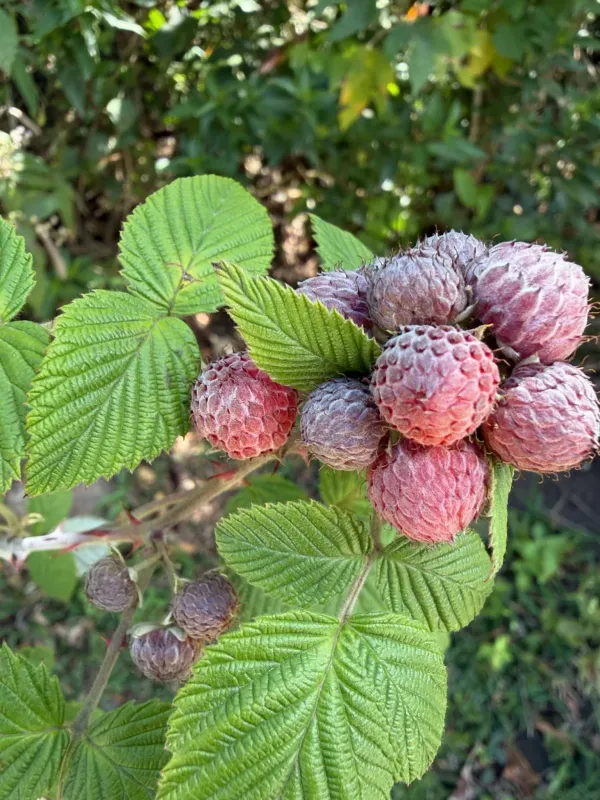
The name 'niveus' refers to the white, snow-like waxy bloom found on the stems. These canes typically arch or trail, making the use of trellis systems a standard practice for easier maintenance.
Watering requirements are consistent throughout the growing season. While the plant appreciates moisture, it is sensitive to waterlogging, which can rapidly lead to crown rot in heavy soils.
Yield
The berries of Rubus niveus start as red and turn a dark purple or black color when fully ripe. They are known for their distinct sweet-tart flavor profile and aromatic properties.
High yields depend on the correct management of biennial canes. Pruning back the dead or exhausted canes after the harvest is the primary method to encourage vigorous new growth.
This crop is highly valued for fresh consumption, as well as for making jams, jellies, and desserts. The berries contain significant amounts of anthocyanins and beneficial antioxidants.
Yield capacity can be enhanced by applying balanced NPK fertilizers during the early spring growth phase. Proper spacing between rows is also critical to ensure sufficient sunlight penetration.
Careful harvesting is necessary as the berries are soft and have a short shelf life. Using shallow containers helps minimize crushing during the movement from the field to the facility.
Main diseases and pests
Common pests include aphids, spider mites, and raspberry beetles. These can cause significant damage to the foliage and affect the overall vitality of the shrub if left uncontrolled.
Disease management is centered on preventing fungal infections like anthracnose and botrytis. Maintaining good airflow through pruning is the most effective biological control measure.
Soil-borne pathogens can be minimized by following strict crop rotation or using soil sterilization techniques in nursery settings before planting out in the field.
Weed control is mandatory, as competing grasses harbor pests and create a microclimate of high humidity that promotes fungal spore germination.
Bird protection measures are essential during the ripening stage, as the fruit is highly attractive to local fauna, which can lead to significant crop loss.
Harvesting
Harvesting should be performed manually during the cooler morning hours to ensure the berries have the highest firmness and quality upon picking.
Berries must be sorted immediately after harvesting. Discarding damaged or overripe fruit is critical, as one moldy berry can compromise the quality of the entire container.
Post-harvest care involves immediate cooling. Storing berries at temperatures close to 0-2 degrees Celsius effectively slows down the metabolic rate and extends freshness.
After the harvest cycle concludes, the field should be cleared of all debris. This sanitation practice significantly reduces the inoculum of pathogens for the upcoming growing season.
Proper tools, such as berry crates with ventilation holes, are necessary to facilitate air exchange and prevent the heat build-up that leads to spoilage.