
Neillia rubiflora
Neillia rubiflora
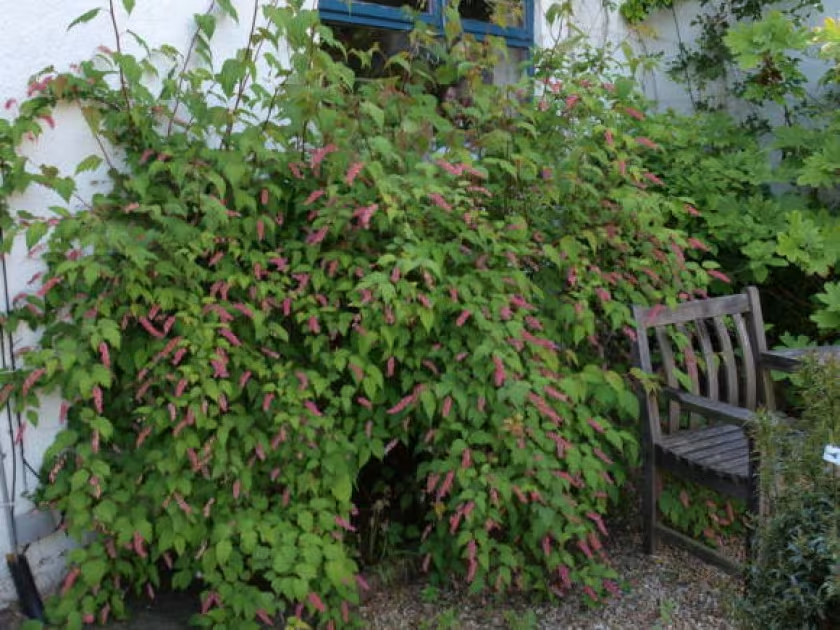
Description
Growing requirements
Neillia rubiflora is a deciduous shrub belonging to the Rosaceae family. It is recognized for its slender, arching stems and delicate, showy flowers that create a graceful appearance in any garden environment.
The species thrives in locations with full to partial sun exposure. Providing adequate light is crucial for stimulating abundant flowering and maintaining the compact, attractive form of the shrub during the growth season.
In terms of soil, Neillia rubiflora requires fertile, well-draining ground with a slightly acidic to neutral pH level. Proper drainage is essential, as the plant is susceptible to root rot if placed in waterlogged conditions.
Cultural practices involve consistent irrigation during dry spells to maintain soil moisture levels. Applying organic mulch around the base of the plant helps to regulate temperature and preserve moisture effectively.
In landscape architecture, it is primarily used as an ornamental plant. It functions exceptionally well in woodland gardens, shrub borders, or as a standalone specimen that draws attention during its blooming period.
Main diseases and pests
Common plant health issues include fungal pathogens such as powdery mildew, which often develop when air circulation is poor or humidity levels remain excessively high for prolonged periods.
Pests such as aphids represent a frequent threat, clustering on tender new growth and foliage. Their feeding activities can cause leaf curling and reduce the plant's overall vigor if left unchecked.
Preventive maintenance, including pruning to improve airflow and clearing debris from around the root zone, is vital for keeping the shrub healthy and reducing the incidence of disease outbreaks.
Chemical control measures, such as applying fungicides or insecticides, should be implemented carefully according to the severity of the infestation, ideally targeting pests before they cause irreversible damage.
Monitoring the plant's vigor through regular inspection and maintaining optimal fertility levels further enhances the natural resistance of the shrub against common local threats.