
Neillia incisa
Neillia incisa
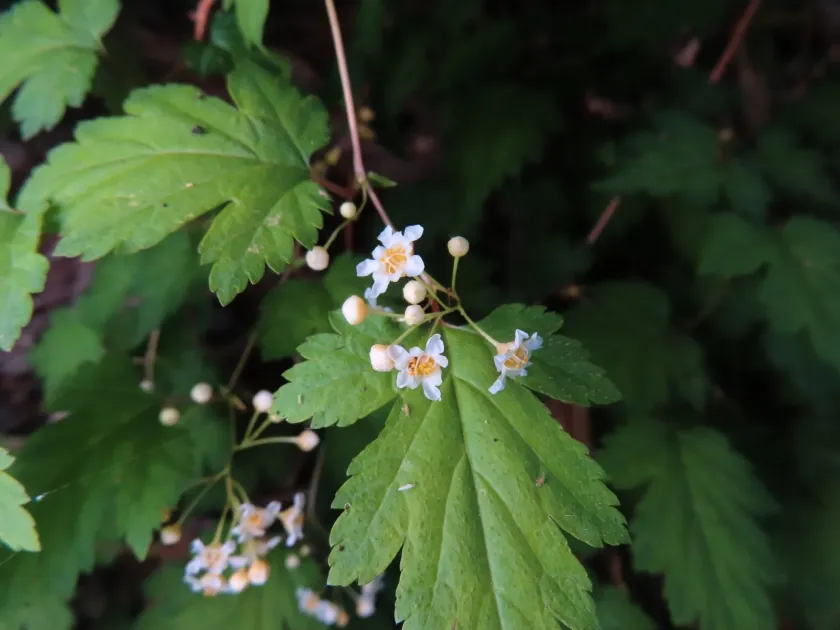
Description
Growing requirements
Neillia incisa, commonly known as cut-leaved stephanandra, is a deciduous shrub belonging to the Rosaceae family. Native to the mountain forests of East Asia, it is prized in horticulture for its fine, arching branches and attractive foliage.
The plant thrives in temperate climates and requires a position in partial shade to full sun, provided there is enough moisture in the soil. It is well-suited for woodland gardens or as a ground cover plant on gentle slopes where its roots can help stabilize the earth.
Regarding soil requirements, it prefers fertile, humus-rich, and slightly acidic substrates. It is essential that the site has excellent drainage, as the roots are sensitive to waterlogging, which often leads to poor development or plant mortality in heavy clay soils.
Cultural practices include consistent watering during the growing season, especially during prolonged dry spells. Applying a layer of organic mulch helps retain soil moisture and suppresses weed competition near the base of the shrub.
Pruning is essential to maintain the shrub's aesthetic form. Removing old, woody stems every few years encourages new growth and keeps the plant dense and vibrant, highlighting its delicate, deeply lobed leaves that turn beautiful colors in autumn.
Main diseases and pests
Neillia incisa is generally considered robust, but it can be susceptible to powdery mildew if planted in areas with poor air circulation. Proper spacing during the initial planting is a key preventive measure.
Pest issues often involve aphids or spider mites, which can infest the succulent growth tips. Integrated pest management, including the use of neem oil or targeted insecticidal soaps, is usually sufficient to control these populations.
Root rots can become a significant threat if the soil remains waterlogged for extended periods. Monitoring drainage performance and avoiding over-irrigation are critical steps to prevent these devastating fungal conditions.
Leaf spots, while less frequent, can occur in exceptionally humid and warm weather. If leaf lesions appear, it is advisable to remove and dispose of the affected foliage to prevent the spread of spores to healthy parts of the shrub.
Overall, maintaining the plant's health through balanced fertilization and proper hydration minimizes the impact of potential pathogens, ensuring the shrub remains a vigorous and long-lived feature of the landscape.