
Neillia tanakae
Neillia tanakae
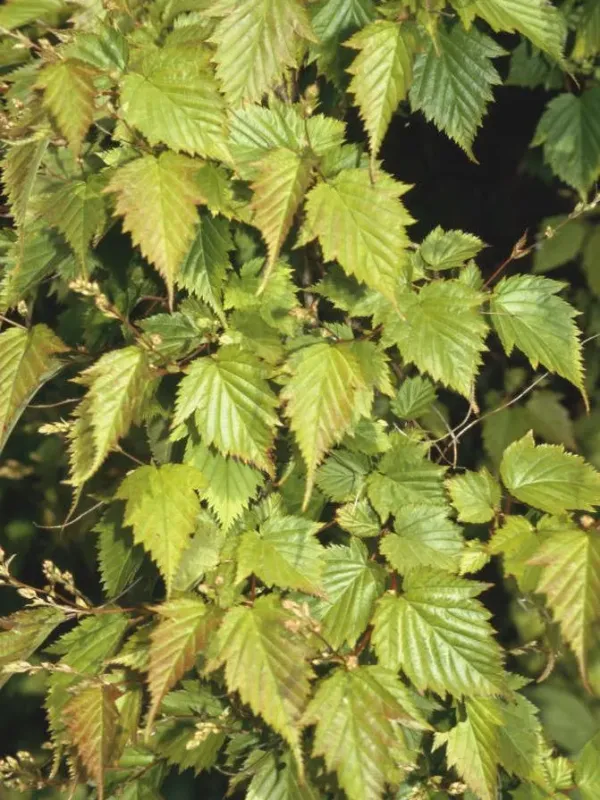
Description
Growing requirements
Neillia tanakae, commonly known as Tanaka's stephanandra, is a deciduous shrub belonging to the Rosaceae family. Native to Japan and Korea, this plant is highly valued for its graceful, arching stems and attractive foliage that provides excellent texture in landscape design.
The botanical structure of the plant features distinct zigzag branches and finely divided, triangular leaves. During the autumn season, the foliage turns into vibrant shades of orange and red, significantly enhancing the aesthetic value of any garden or woodland planting scheme.
The plant thrives in sites that offer protection from harsh winds and direct afternoon sun in hotter regions. It prefers moist, fertile, and well-draining soil with a slightly acidic to neutral pH, which mimics the natural conditions of its native mountain habitats.
Successful cultivation requires consistent soil moisture, especially during the first years of establishment. Gardeners should mulch the root zone to retain moisture and regulate soil temperature, ensuring that the plant does not suffer from drought stress during dry summer months.
Pruning is essential for maintaining the shape and vigor of the shrub. Gardeners should implement a yearly routine of removing deadwood and thinning out old, congested branches immediately after flowering. This practice promotes healthy new growth and keeps the plant's form compact and lush.
Main diseases and pests
Tanaka's stephanandra is generally robust but can be susceptible to fungal issues such as powdery mildew, especially in environments with poor air circulation or excessive humidity. Maintaining proper spacing between plants is a critical preventive measure to ensure adequate airflow.
Insect pests like aphids or spider mites may occasionally infest the foliage, particularly during hot, dry spells. Monitoring the plant regularly and applying horticultural oils or mild insecticidal soaps will help maintain plant health and prevent long-term damage to the leaves.