
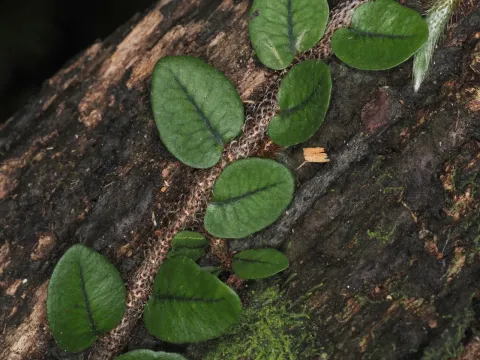
Microgramma
Microgramma
Microgramma is a genus of ferns within the Polypodiaceae family, characterized by its creeping rhizomes and epiphytic or lithophytic growth habit. Native primarily to the tropical regions of the Americas, these plants have adapted to thrive in high-humidity environments across diverse forest canopies.
What the section contains


Microgramma
Successful cultivation of Microgramma requires careful attention to environmental stability. The plants prefer indirect, filtered light, mimicking the forest floor or the mid-canopy layer where they grow in nature. Exposure to harsh, direct sunlight must be avoided to prevent burning the delicate fronds.
A specialized potting medium is essential for these epiphytes. Growers should utilize a well-draining, airy substrate consisting of orchid bark, perlite, and sphagnum moss. This composition ensures that roots receive sufficient oxygen while maintaining the necessary moisture levels for optimal growth.
Regular irrigation is vital; however, the medium should never be waterlogged. Watering should be carried out when the top layer of the substrate shows signs of drying. High humidity is a critical factor, and supplemental misting or the use of humidifiers is often recommended for home environments.
The practical application of Microgramma is predominantly decorative. Due to their compact, creeping nature, they are highly sought after by terrarium hobbyists and indoor gardeners looking to add a lush, tropical aesthetic to wall-mounted planters or glass enclosure setups.
Common pests associated with Microgramma include scale insects and mealybugs, which tend to congregate along the rhizomes and the underside of the fronds. Maintaining high humidity and periodically cleaning the leaves can significantly reduce the risk of infestation.
Fungal issues, including root rot and leaf spots, often stem from poor ventilation or excessively wet soil conditions. Ensuring a well-draining medium and consistent air circulation are the best defensive measures against these pathogens, protecting the health and vigor of the plant.