
Microgramma piloselloides
Microgramma piloselloides
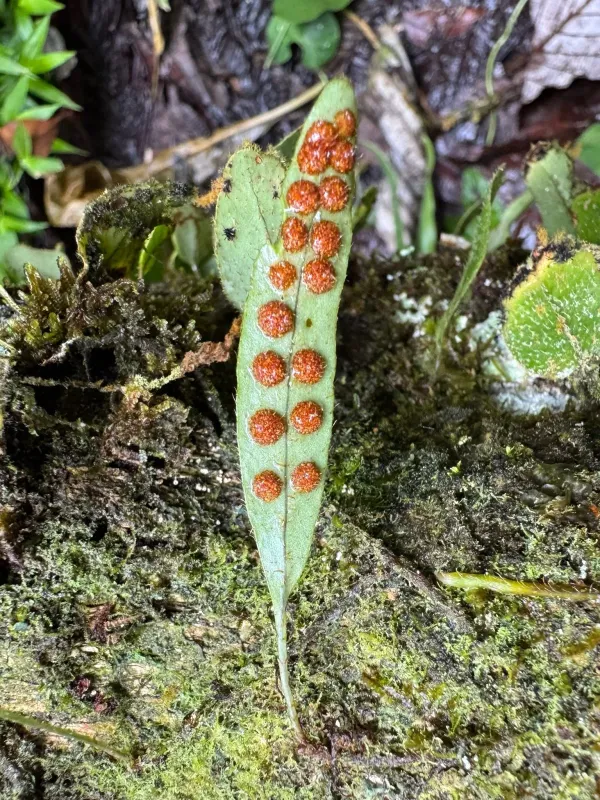
Description
Growing requirements
Microgramma piloselloides is an epiphytic fern belonging to the Polypodiaceae family, native to tropical regions of the Americas. It is characterized by a creeping rhizome covered in fine scales, which allows the plant to anchor itself onto tree trunks and branches in its natural environment.
In terms of botanical features, the plant possesses simple, entire fronds that exhibit a distinct texture. Being an epiphyte, it is adapted to capturing moisture from the atmosphere and relies on decaying organic matter that accumulates in tree bark crevices.
Cultivation requires a specialized growing medium that replicates the porous nature of tree bark. Using orchid bark, high-quality sphagnum moss, and perlite ensures adequate aeration, which is essential to prevent root suffocation for this species.
The climate requirements for Microgramma piloselloides involve maintaining high ambient humidity and moderate, stable temperatures. It thrives in diffused light, as direct sunlight can easily scorch the delicate foliage of the plant.
Watering practices should focus on maintaining consistent moisture without causing waterlogging. Misting the plant regularly is a beneficial practice, especially during periods of lower natural humidity, to support healthy growth cycles.
Main diseases and pests
The most common threats to Microgramma piloselloides are fungal pathogens, specifically those causing root rot, which typically manifest when the substrate is too dense or constantly waterlogged. Proper drainage is the primary defense against these threats.
Pest pressures primarily include spider mites, which thrive in environments where air humidity is insufficient. These mites damage the leaf tissue, leading to discoloration and eventual decline of the plant's health.
Mealybugs also pose a potential threat, often hiding within the scales of the creeping rhizome. Regular inspections and the use of insecticidal soap or neem oil treatments are effective strategies for management and control.
Environmental stress, such as exposure to cold drafts or improper fertilization, can significantly weaken the fern's immune system. Over-fertilization, in particular, can cause salt buildup in the substrate, damaging the plant's sensitive roots.
To ensure long-term vitality, growers should prioritize keeping the foliage clean and the growing environment well-ventilated. Proactive monitoring helps identify early signs of stress before major infestation or infection occurs.