
Microgramma reptans
Microgramma reptans
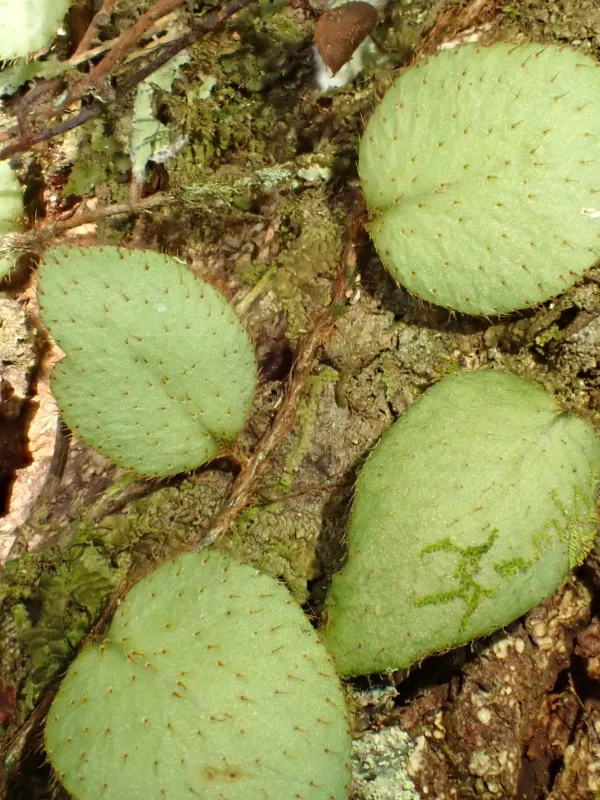
Description
Growing requirements
Microgramma reptans is a species of epiphytic fern belonging to the Polypodiaceae family. Native to the humid forests of Central and South America, this plant is well-adapted to climbing tree trunks and rocky surfaces within its natural habitat.
The botanical structure is defined by its creeping, slender rhizomes that spread across the substrate. Its fronds are relatively simple, lanceolate to ovate in shape, featuring a leathery texture that helps the plant conserve moisture in diverse tropical conditions.
For successful cultivation, a warm and humid environment is essential. It thrives best in terrariums or vivariums where humidity levels remain constant. Indirect, diffused light is preferred to avoid scorching the sensitive fronds.
The growing medium must be highly porous and well-draining. A mix of orchid bark, chopped sphagnum moss, and perlite provides the necessary aeration for the rhizomes to attach and thrive without suffering from root suffocation.
Temperature management should prioritize consistency, typically ranging between 18°C and 25°C. The plant should be misted regularly to replicate tropical dew, ensuring the substrate stays damp but never waterlogged.
Main diseases and pests
Root rot is the most significant threat to Microgramma reptans, typically caused by waterlogged substrates or lack of airflow. Proper drainage and circulation are vital to preventing fungal pathogens from settling on the rhizomes.
Pests such as mealybugs and scale insects are common issues in indoor fern cultivation. They often reside in the tight junctions between the fronds and the creeping rhizome, making them difficult to detect early.
Spider mites can also impact the health of the plant if the ambient humidity drops below the recommended threshold. Their presence manifests as discolored spots and stunted growth of new fronds.
Management of these threats involves routine physical inspection and the application of mild, organic horticultural soaps if an infestation is identified. Always avoid heavy-duty synthetic pesticides, as ferns are highly sensitive to chemical burns.
To minimize disease risk, ensure that dead or decaying foliage is pruned regularly. Keeping the environment clean and well-ventilated prevents the buildup of humidity-loving fungal spores that can compromise the plant's structural integrity.