


Reference · Crops
Mercury
Mercurialis L.
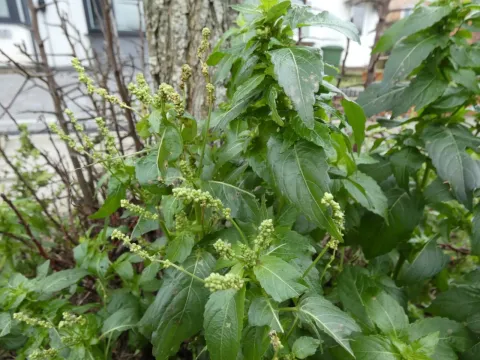
Mercurialis, commonly known as mercury plant, belongs to the Euphorbiaceae family and consists of both annual and perennial species found primarily in temperate regions.
1
items
What the section contains
Marketplace
Products in this section · 4


Mercury
Propagation is generally achieved through seeds or creeping rhizomes, which allow the plant to colonize open spaces quickly within its native woodland habitats.
When cultivating, seeds should be sown in autumn to mimic natural cycles, as they require cold stratification to break dormancy effectively.
Spring sowing is possible only if the seeds have been artificially chilled, ensuring a higher germination rate for the upcoming season.
Planting density should be carefully managed, as the plants exhibit an aggressive spread due to their underground network of stems.
The genus thrives in shaded or semi-shaded environments, mimicking the light conditions found under the canopy of deciduous forests.
The ideal soil substrate should be loose, moist, and rich in organic matter, providing the necessary nutrients for dense foliage development.
Water requirements are consistently high; the plants are poorly adapted to drought and require supplemental irrigation during dry spells.
Soil pH should ideally remain near neutral or slightly acidic to support optimal nutrient uptake by the root system.
Cultural practices include manual weeding in the early stages and careful mulching to maintain soil moisture throughout the summer months.
The primary threats to Mercurialis include various fungal pathogens, such as rusts and leaf spots, which thrive in stagnant, humid air conditions.
Pests like aphids and spider mites can infest the foliage, reducing the plant's overall health and vigor during the active growing season.
Due to the presence of secondary metabolites like mercurialin, the plant is typically avoided by herbivores, though this does not deter certain specialized insects.
Root rot remains a critical concern if the cultivation site lacks proper drainage, leading to rapid tissue death and plant loss.
Integrated pest management strategies involve monitoring for signs of stress and removing affected plant parts to minimize the spread of diseases.