
Libertia
Libertia Spreng.
Libertia is a genus of perennial herbaceous plants belonging to the Iridaceae family. Native primarily to the Southern Hemisphere, these plants are predominantly found in New Zealand, Australia, and parts of South America, adapting to various temperate climates within their natural ranges.
What the section contains


Libertia
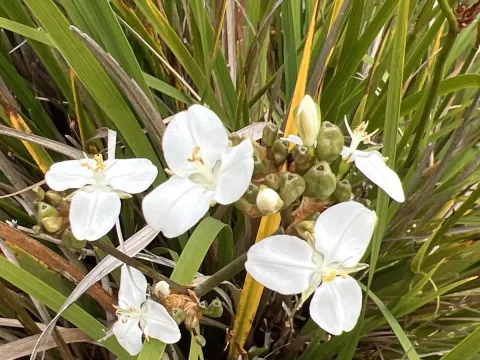
The botanical structure of Libertia is defined by its stiff, grass-like leaves growing in basal clumps. During the blooming season, the plants produce elegant, cup-shaped flowers, often white or pale blue, which emerge on sturdy stems, followed by the development of decorative seed capsules.
Climatic requirements for successful cultivation include a preference for mild, frost-free environments or well-protected spots in regions with colder winters. While they appreciate bright light, many varieties benefit from light shade during the hottest parts of the day to prevent leaf burn.
Soil conditions are critical for Libertia, as the plants demand excellent drainage. They thrive in fertile, slightly acidic to neutral soils that remain moist but never waterlogged. Incorporating organic matter into the planting hole can improve soil structure and nutrient availability for better growth.
In terms of хозяйственное использование, Libertia is a staple in modern landscaping and ornamental gardening. Its architectural shape makes it an excellent choice for borders, container displays, and xeriscaping projects, providing year-round texture and structural interest to garden beds.
The primary threat to the health of Libertia is root rot, which occurs when plants are situated in heavy, poorly draining soils or are subjected to constant waterlogging. This condition is often fatal and requires immediate improvement of soil aeration and drainage systems.
Pests such as aphids and spider mites may occasionally infest the plants, particularly when grown in dry indoor or sheltered environments. Early detection and the use of appropriate horticultural soaps or oils are recommended to manage these populations without damaging the plant foliage.
Nutrient deficiencies, specifically in iron or magnesium, can cause chlorosis, where the leaves lose their vibrant color and turn yellow. Regular soil testing and the application of balanced, slow-release fertilizers help maintain the plant's natural health and aesthetic appeal.
Fungal leaf spots can develop if air circulation around the plants is insufficient or if overhead watering is practiced too frequently. Maintaining a clean garden environment and ensuring that the base of the plant stays dry can significantly reduce the incidence of fungal pathogens.
Winter hardiness is a major concern in colder climates, as extreme cold can kill the root crowns of more sensitive species. Providing a layer of mulch or using frost cloths during extreme cold snaps can help protect the plants and ensure their survival until the following spring.