
Libertia peregrinans
Libertia peregrinans Cockayne & Allan
Description
Growing requirements
Libertia peregrinans, commonly known as the New Zealand iris or wandering libertia, is a perennial herbaceous plant belonging to the Iridaceae family. Native to New Zealand, this species is typically found in coastal dune systems and open grasslands.
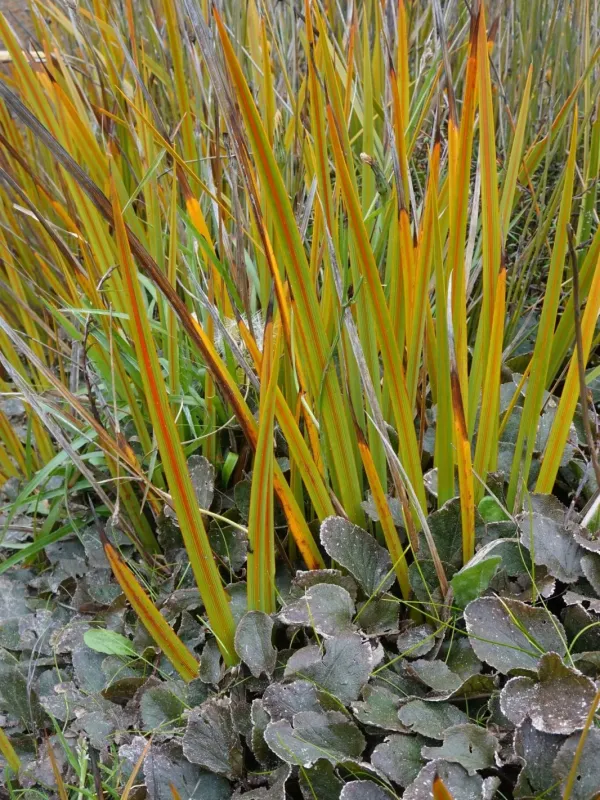
The plant is highly valued for its striking, rigid, orange-copper colored foliage that provides year-round color. It grows in a rhizomatous habit, reaching an average height of 30 to 45 centimeters and forming dense, upright clumps that spread slowly over time.
Cultivation success relies heavily on soil structure; the plant requires exceptionally well-draining, sandy, or gritty soil. It is inherently adapted to nutrient-poor environments, so excessive fertilization is usually unnecessary and may even prove detrimental to the plant's health.
Optimal site selection must prioritize full sun exposure. Sunlight is the primary factor responsible for the plant's characteristic bronze pigmentation. If grown in shaded conditions, the foliage reverts to a dull green, significantly reducing its ornamental appeal.
Regarding moisture, the species demonstrates moderate drought tolerance once established. However, it requires careful irrigation management in container gardening to prevent water from stagnating around the rhizomes, which are prone to physiological stress under wet conditions.
Main diseases and pests
The primary horticultural threat to this species is root rot, typically incited by poor drainage or overwatering. In heavy soils, the risk of fungal infection increases significantly, often leading to rapid decline during cooler months.
While generally pest-resistant, the foliage can occasionally be susceptible to aphids or mealybugs in stagnant air environments. Maintaining proper spacing and good air circulation around the plants is essential for long-term health and disease prevention.