
Libertia ixioides
Libertia ixioides (G. Forst.) Spreng.
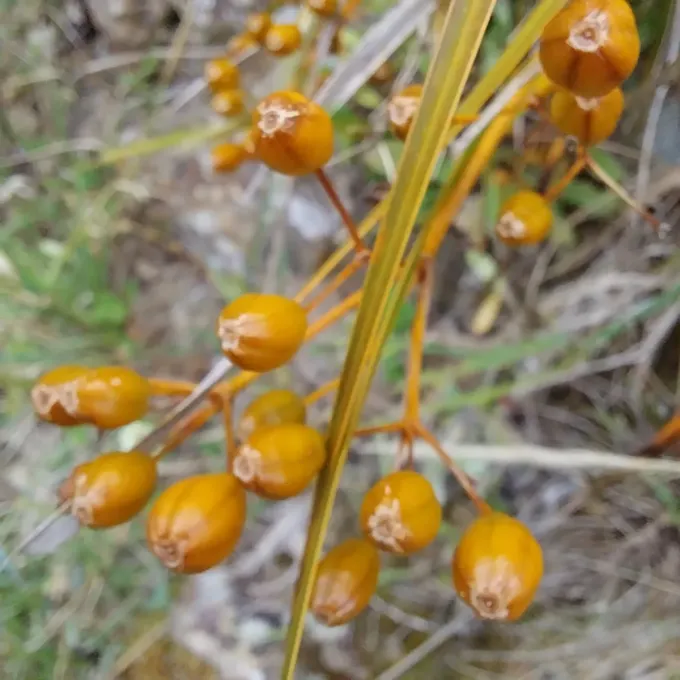
Description
Sowing dates
Seeds of Libertia ixioides are best sown in early spring. Given that they require light to germinate, the seeds should be surface-sown onto a moist, well-draining seed-starting mix without being deeply covered, or merely pressed gently into the substrate.
Maintaining a consistent environment is key during the germination phase. Using a greenhouse or covering pots with a clear lid helps maintain the necessary humidity levels while ensuring the seeds are exposed to sufficient ambient light.
Propagation through division is a more reliable and faster method for gardeners. By splitting established clumps in the early spring, you allow the new divisions to settle into their new location and establish a robust root system before the heat of mid-summer arrives.
Space the plants approximately 30–40 centimeters apart when planting in the landscape. Proper spacing ensures excellent airflow between the foliage, which is essential for minimizing the risk of fungal infections and allowing each plant to reach its full architectural potential.
Young seedlings require attentive care during their first year. Providing temporary shelter from intense direct sun and ensuring the soil does not dry out completely will significantly improve the survival rate of the young plants.
Growing requirements
Libertia ixioides is an evergreen perennial member of the Iridaceae family, native to New Zealand. It is highly valued in horticulture for its stiff, narrow, and often orange-tinted foliage that provides year-round structure in garden beds.
The plant thrives in well-draining soil types, ranging from sandy loams to fertile garden soils. It is particularly sensitive to waterlogged conditions, which can quickly lead to root rot; thus, adding organic matter to improve soil structure is highly recommended.
Full sun is ideal for promoting the most vivid leaf coloration. While the plant can survive in partial shade, the foliage color may dull, and the plant might appear less compact compared to specimens grown in sunnier, open positions.
In terms of climate, it is suitable for temperate regions (USDA zones 8–9). Gardeners in colder climates should treat it as a container plant, ensuring it can be moved to a sheltered, frost-free location during the winter months to avoid tissue damage.
Maintenance is relatively straightforward: perform an annual cleaning in the spring to remove any dead or damaged leaf blades. Occasional fertilization with a balanced, slow-release fertilizer will support steady growth and maintain the plant's health.
Main diseases and pests
The most significant threat to Libertia ixioides is root decay caused by poor drainage or overwatering. Ensuring the planting site has excellent drainage is the single most important preventative measure against this issue.
Slugs and snails can cause damage to the foliage, particularly during damp weather. Using barriers like crushed eggshells or environmentally friendly snail pellets can help protect the plant during periods of high activity.
Powdery mildew may occur if air circulation is poor, particularly in enclosed or crowded garden settings. Keeping the area free of excess debris and avoiding overhead watering during late afternoon can significantly reduce the incidence of fungal growth.
Spider mites are a potential concern when the plant is kept in containers indoors or in dry greenhouse conditions. Regular misting and monitoring are usually enough to keep these pests from establishing significant colonies on the foliage.
Overall, this species is quite resilient. By providing the right conditions regarding soil moisture and exposure, gardeners can expect a long-lived and healthy plant with minimal intervention required.