
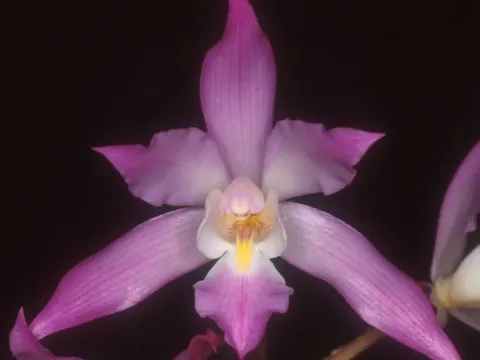
Laelia
Laelia
Laelia is a genus of epiphytic and lithophytic plants belonging to the Orchidaceae family. These plants are native to the tropical regions of Central and South America, primarily inhabiting the mountainous forests of Mexico and Brazil.
What the section contains


Laelia
In their natural habitat, Laelias favor conditions with distinct seasonality, which directly influences their cultivation practices. In domestic or greenhouse environments, these plants require high air humidity combined with excellent root system ventilation, provided by loose, bark-based substrates.
Successful development of Laelia requires bright, indirect sunlight. Direct exposure can cause severe scorching of the leaves, while insufficient light levels often lead to stunted growth and a total absence of flowering.
The temperature regimen should fluctuate according to the seasons: 22–26°C is ideal during the growing season, with a necessary drop in temperature at night. During winter, plants require a period of rest in cooler conditions to stimulate the formation of flower spikes.
Watering should be consistent during the active growing phase, but the substrate must be allowed to dry out between sessions. Stagnant water in the pot is detrimental to root health, making high-quality drainage a critical component of plant management.
Common pests affecting Laelia plants include scale insects, mealybugs, and spider mites, which feed on plant sap and weaken the overall structure of the orchid.
Fungal infections, such as root rot and leaf spotting, are typically triggered by excessive moisture and poor air circulation in the growing area.
Viral diseases in orchids are considered incurable, necessitating the immediate removal and destruction of infected specimens to protect the rest of the collection.
Prophylaxis consists of regular plant inspections, the use of sterile cutting tools, and strictly maintaining appropriate environmental conditions to avoid stress.
Control strategies for pests involve the use of specialized insecticides and acaricides, while fungal issues are managed through the application of copper-based or systemic fungicides.