
Hazardia
Hazardia
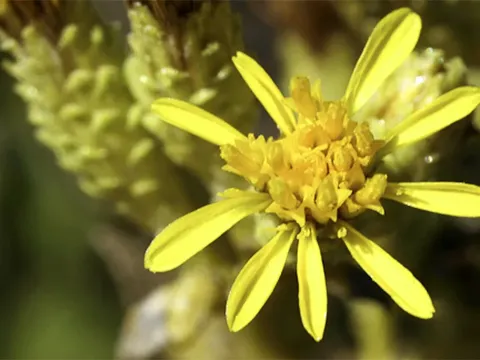
Hazardia is a genus of flowering plants belonging to the Asteraceae family. Native to western North America, these plants are primarily found in arid and semi-arid environments, demonstrating high resilience to harsh ecological conditions.
What the section contains

Hazardia
These plants typically grow as shrubs or sub-shrubs. Their primary biological feature is a highly adapted root system designed to extract water from deep soil layers or rock crevices, characteristic of desert and coastal shrublands.
Cultivation requirements focus on mimicking their native habitat. Excellent drainage is non-negotiable; they thrive in rocky, sandy, or gravelly soils. Heavy soils with poor percolation will almost certainly lead to plant failure due to root hypoxia.
Full sun exposure is essential for the healthy development of Hazardia. The plant relies on high solar radiation to promote vigorous growth and efficient photosynthetic processes in dry environments.
In terms of human use, these plants are valued for erosion control and xeriscaping. They are rarely cultivated for food or industrial extraction but are important for biodiversity and landscape stabilization in arid zones.
The primary threat to Hazardia in cultivation is pathogenic fungal infection, specifically root and crown rot. This occurs almost exclusively when the soil remains too wet for an extended period.
Pests such as aphids and spider mites may occasionally colonize the foliage. While these plants have evolved natural chemical defenses, severe infestations can stunt growth and should be managed with appropriate horticultural soap or integrated pest management.
Weed control is critical during the establishment phase. Because Hazardia is slow-growing in its early stages, it can be easily outcompeted by aggressive grasses and invasive weeds if not managed properly.
Environmental stress, such as sudden flooding or humidity spikes, can create conditions favorable for pathogens. Maintaining a dry environment around the base of the plant is the most effective preventative measure.
There is limited documentation on major crop-decimating viruses, as the plant is not a standard commercial crop. However, standard nursery hygiene, such as tool sterilization and avoiding overhead watering, is recommended to minimize disease transmission.