
Description
Sowing dates
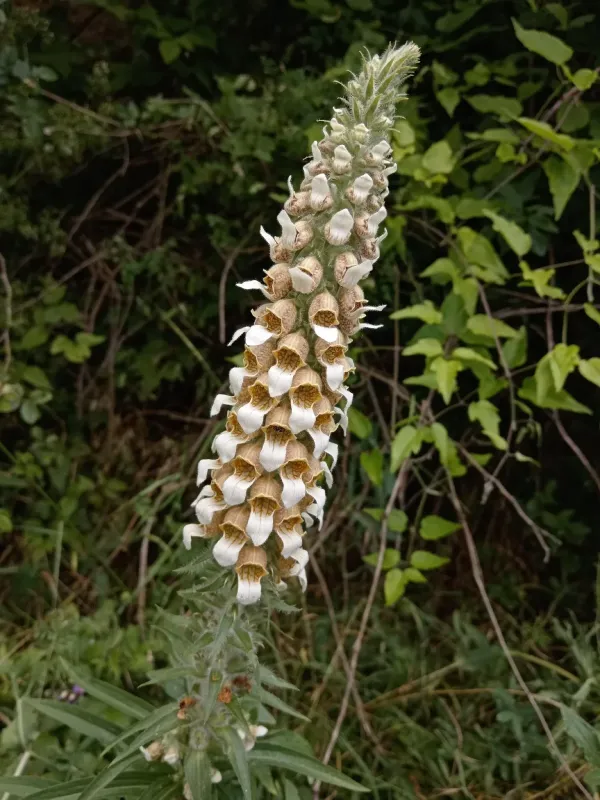
Woolly foxglove is a herbaceous perennial plant belonging to the Plantaginaceae family, which is commercially cultivated as a biennial crop for its potent medicinal leaves.
The seeds should be sown in early spring or late autumn, keeping in mind that they are extremely small and require minimal soil coverage for optimal germination.
Because seed germination rates can be variable, using high-quality stratified seeds and maintaining surface moisture is critical during the initial seedling establishment phase.
During the first year, the plant develops a dense basal rosette of leaves, which are the primary part of the crop harvested for pharmaceutical extraction.
Row spacing is typically set at 50–60 cm to allow for efficient cultivation, weed control, and manual or mechanical harvesting of the foliage.
Growing requirements
This species thrives in fertile, well-drained loamy soils with a neutral pH, as it is highly sensitive to waterlogging and poor soil aeration.
As a heliophilic plant, it requires full sunlight to maximize the metabolic production of cardiac glycosides, which are highly valued in modern pharmacology.
The crop is relatively hardy, though it requires protection from extreme temperature fluctuations during the winter months of its first year of growth.
Consistent moisture is necessary during the establishment period, but as the plants mature, they can tolerate moderate drought conditions better than other foxglove species.
Balanced fertilization programs focusing on phosphorus and potassium are essential for increasing leaf surface area and the overall concentration of active medicinal compounds.
Yield
Woolly foxglove is a primary industrial source of lanatosides, which are essential precursors for life-saving heart medications used in modern clinical practice.
Yields of dried leaf material can reach up to 2 tons per hectare when grown under optimal conditions, making it a highly profitable medicinal crop.
The biological activity of the harvested leaves is highest just before the plant initiates its reproductive phase and sends up the flower spike.
The economic value of the crop is determined by the standardized content of specific glycosides, which must be verified through laboratory analysis post-harvest.
Pharmaceutical industries prioritize this specific species over others due to its higher yield of stable, medically active compounds compared to common foxgloves.
Main diseases and pests
Powdery mildew is the most common fungal threat, particularly in humid climates where poor air circulation between rows creates an ideal environment for infection.
Root rot pathogens are a persistent risk in soils with low permeability, often leading to significant stand losses if drainage is not managed correctly.
Pests such as aphids and leaf-eating beetles can cause considerable damage to the young rosettes, potentially stunting growth and lowering the overall quality of the leaves.
Nematode infestations can be problematic in older fields, necessitating rigorous crop rotation cycles to maintain soil health and plant vigor.
Integrated pest management strategies, including biological controls and timely scouting, are necessary to protect the yield from widespread damage.
Harvesting
Harvesting is typically performed during the second year of cultivation, focusing on mature leaves that have reached their peak chemical potency.
The leaves are harvested during dry weather, which prevents premature enzymatic degradation and ensures the longevity of the active glycosides during storage.
Immediately after harvesting, the raw material must be dried at controlled temperatures ranging from 50 to 60 degrees Celsius to stabilize the plant tissues.
Dried leaves are carefully inspected to remove any impurities, weeds, or diseased parts, ensuring compliance with strict pharmaceutical purity standards.
The final product is packaged and stored in climate-controlled environments to prevent moisture ingress, which can rapidly deteriorate the medicinal quality of the raw material.
Reference
Connections · Woolly foxglove
Most often together:
Marketplace