
Hybrid of Digitalis chalcantha and Digitalis grandiflora
Digitalis chalcantha (Svent. & O'Shan.) Albach et al. x Digitalis grandiflora Mill.
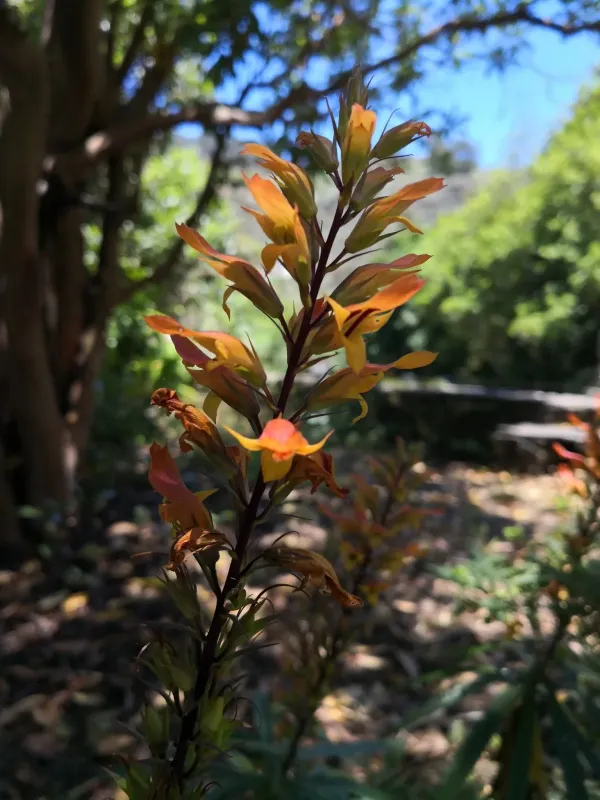
Description
Sowing dates
Sowing of this hybrid should be carried out in early spring, preferably in a controlled greenhouse environment to ensure high germination rates.
The seeds are exceptionally small and should be sown on the surface of the growing medium, then gently pressed without covering them with soil.
Maintaining high humidity and a stable temperature around 20 degrees Celsius is essential for successful seedling emergence.
Once seedlings have developed their first true leaves, they can be transplanted into individual pots to strengthen their root systems.
Final planting in open ground must wait until all risks of frost have passed, as the hybrid's young shoots are sensitive to low temperatures.
Growing requirements
This hybrid, belonging to the Plantaginaceae family, thrives in fertile, well-draining soils with a neutral or slightly acidic pH level.
The plants prefer full sun to partial shade, making them versatile for various garden or field locations with good airflow.
Consistent moisture is required throughout the growing season, but the soil must never remain waterlogged to prevent root decay.
Organic fertilization is recommended during the early growth stages to support the development of lush foliage and strong flowering stalks.
In regions with harsh winters, protective mulching is necessary to safeguard the crown of the plant from extreme temperature fluctuations.
Yield
The primary agricultural objective for this hybrid is the production of medicinal raw material, particularly focusing on heart-related glycosides.
Optimal yield is achieved through a controlled environment where weed suppression and nutrient management are strictly monitored.
As a decorative plant, the yield is measured by the number of flowering spikes produced per plant and their visual longevity in the landscape.
Systematic removal of spent flowers can promote a second flush of bloom in some varieties, significantly increasing the visual productivity.
Harvesting efficiency is maximized by planting in rows with consistent spacing, allowing for easier access during the collection phase.
Main diseases and pests
Powdery mildew represents the most significant fungal threat, usually appearing during periods of high humidity and stagnant air.
Various species of aphids can cause significant damage by clustering on the flower spikes and extracting essential plant fluids.
Root rot, driven by excessive soil moisture and poor drainage, remains a primary cause of plant failure in garden settings.
Leaf spots caused by bacterial or fungal infections require regular monitoring and immediate removal of affected plant parts.
Cultural practices such as crop rotation and spacing ensure that the plants are not overly crowded, reducing the spread of diseases.
Harvesting
Medicinal leaf harvest is best performed when the plant is in its peak vegetative growth phase, just before the full bloom stage.
Immediate drying of the harvested leaves at controlled temperatures is crucial to maintain the pharmacological potency of the alkaloids.
For ornamental purposes, harvesting is limited to removing withered stems to maintain the visual appeal and health of the garden bed.
All harvested plant parts must be handled carefully to avoid bruising, which can negatively impact the quality of the final dry product.
Final storage must occur in a dark, dry environment to protect the integrity of the bioactive compounds stored in the dried material.