
Small-flowered foxglove
Digitalis parviflora Jacq.
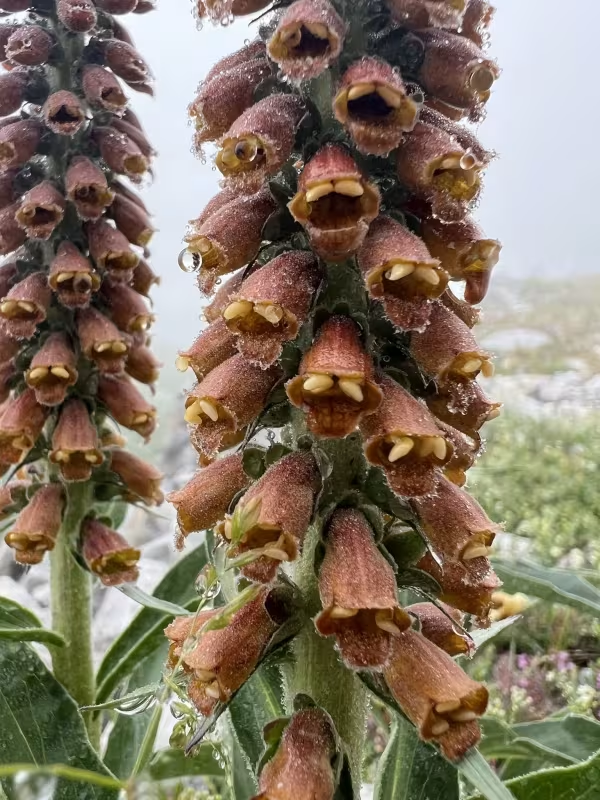
Description
Sowing dates
Small-flowered foxglove (Digitalis parviflora) is a biennial or short-lived perennial belonging to the Plantaginaceae family. It is native to the northern regions of Spain and Portugal.
Seeds should be sown in spring, ideally in trays under glass, to ensure high germination rates. The seeds are very fine and require light to germinate, so they should not be buried deep.
Transplanting seedlings to their final location is best performed once they have developed at least four true leaves. The spacing between plants should be approximately 30-40 cm to prevent overcrowding.
In the first year, the plant develops a basal rosette of dark green leaves. The distinct, dense spikes of reddish-brown flowers typically appear during the second growing season.
For large-scale cultivation, direct sowing in late summer can also be successful in mild climates, allowing the plant to establish its root system before winter dormancy.
Growing requirements
This species thrives in well-drained, fertile soils with a neutral or slightly acidic pH. It performs best in sunny positions, though it tolerates partial shade in hotter climates.
Proper soil structure is crucial. Heavy, compacted soils should be amended with organic matter and grit to ensure efficient water drainage and aeration of the root zone.
Consistent, moderate moisture levels are required during the growing season. The plant is moderately drought-tolerant once established but performs best when watered during dry spells.
Fertilizer application should be balanced. Excessive nitrogen levels promote excessive foliage growth and can lead to weak stalks that may require staking during the flowering phase.
Mulching around the base of the plant helps maintain soil moisture and inhibits weed growth, which is essential for healthy plant development.
Main diseases and pests
Powdery mildew is the most significant disease threat, particularly in humid and stagnant air conditions. Improving plant spacing is a primary preventative measure.
Root rot occurs if the soil remains waterlogged for extended periods. Ensuring good drainage and avoiding excessive irrigation is key to mitigating this risk.
Leaf spot infections may occur under damp conditions. Infected foliage should be removed promptly to prevent the spread of fungal spores throughout the garden area.
Aphids can occasionally infest the flower spikes, draining sap and affecting seed production. Insecticidal soap sprays are generally effective for control.
Due to the presence of cardiac glycosides, this plant is considered toxic to humans and animals if ingested. It is generally resistant to damage from deer and rabbits.