
Canary Island foxglove
Digitalis canariensis L.
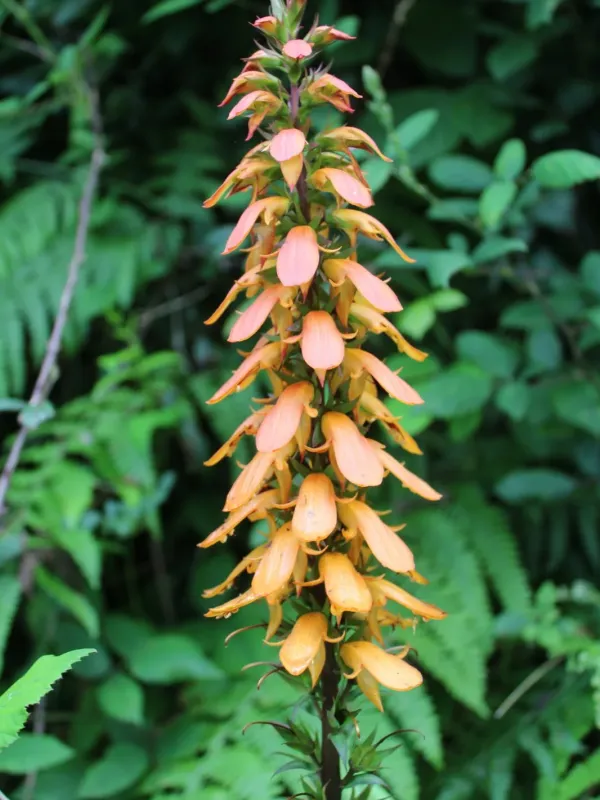
Description
Sowing dates
Sowing Digitalis canariensis seeds is best performed in early spring under controlled conditions. The seeds are very fine and should be sown on the surface of a high-quality, sterile growing medium.
To ensure optimal germination, cover the containers with clear plastic to maintain high humidity. Keep the ambient temperature consistently around 20°C until sprouts appear.
Once seedlings have developed their first true leaves, they should be carefully pricked out and transplanted into individual pots to encourage stronger root development.
Proper aeration is essential during the early stages of growth to prevent "damping off," a common fungal issue affecting young seedlings in stagnant air environments.
Gradual acclimatization to outdoor conditions is necessary before planting them in their final location to prevent stress from UV exposure and temperature fluctuations.
Growing requirements
The Canary Island foxglove, scientifically known as Digitalis canariensis or Isoplexis canariensis, is a member of the Plantaginaceae family. It is a shrub native to the Canary Islands.
This plant thrives in Mediterranean-like climates with mild winters and sunny, temperate summers. It prefers well-draining, slightly acidic soil rich in organic matter.
Adequate sunlight is crucial for this species; it requires bright, filtered light for maximum bloom production. Intense afternoon sun can scorch the foliage during midsummer.
Watering should be moderate, allowing the top layer of the soil to dry out between sessions. Overwatering is the most common cause of failure in cultivating this species.
Regular feeding with a balanced liquid fertilizer during the growing season supports the development of its unique, nectar-rich orange-copper tubular flowers.
Main diseases and pests
Root rot is the most significant threat, typically caused by waterlogged soil conditions. Ensuring a high-quality drainage system is the primary preventative measure.
Powdery mildew can infect leaves in humid, stagnant environments. Increasing air circulation around the plants can significantly reduce the incidence of this fungal issue.
Aphids are common pests that infest the soft, growing tips of the shrub. Early detection and the application of mild soap solutions or insecticidal sprays are effective treatments.
Spider mites may occur during hot, dry periods. Regular misting of the foliage and keeping the plant hydrated helps to deter these persistent pests.
Monitoring the plant health regularly is essential for identifying early signs of stress, allowing for timely intervention before infestations or infections become severe.