
Digitalis purpurea
Digitalis purpurea L.
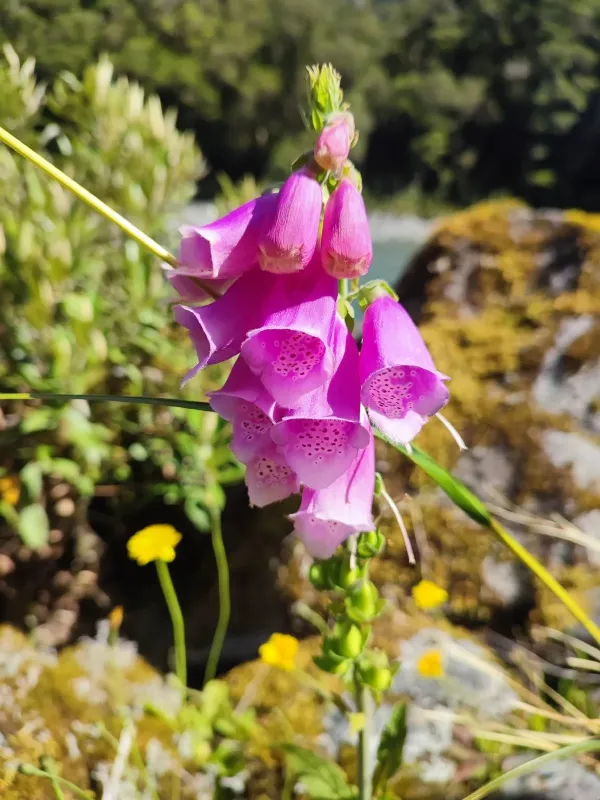
Description
Sowing dates
Digitalis purpurea is typically grown as a biennial crop. The planting process usually begins with sowing seeds in the spring, from April to May, directly into prepared well-drained seedbeds.
Autumn sowing is also an option, performed in October, which often results in earlier germination when the soil temperatures rise in the following spring. Seeds are extremely small and should not be buried deeply.
A light scattering of seeds covered with a thin layer of sand or fine humus is ideal to ensure successful germination. The primary growth focus in the first year is the development of a large, dense basal rosette.
Seedlings can also be started indoors or in greenhouses during March. Once strong enough, they are transplanted into the field, maintaining specific spacing to promote leaf development and airflow.
Light is a critical requirement for seed germination in this species. Therefore, avoiding deep burial and ensuring consistent soil moisture are essential steps for achieving a uniform stand of plants.
Growing requirements
This crop thrives in temperate climates with adequate rainfall. While it adapts well to partial shade, full sun exposure, paired with consistent irrigation, promotes more vigorous growth of the foliage.
Soil quality is paramount; Digitalis prefers light, fertile, and well-drained soils. Waterlogged conditions during the winter months are detrimental and often lead to root rot and crop failure.
A neutral to slightly acidic soil pH is ideal for optimal nutrient uptake. On nutrient-poor soils, incorporating organic matter is necessary to support the biomass production required for industrial harvesting.
Regular weeding is essential, especially in the early stages of growth, to prevent the young rosettes from being suppressed. Mechanical cultivation between rows helps keep the field clear of weeds.
Proper water management is vital during the peak growing season. While the plant is hardy, prolonged drought periods can cause premature bolting, which negatively impacts the quality of the medicinal leaf yield.
Yield
The primary economic value of Digitalis purpurea lies in its leaves, which are harvested during the first year of growth. These leaves are rich in cardiac glycosides used in the pharmaceutical industry.
Average yields of dried leaves typically range from 800 to 1,200 kg per hectare. Success in yield depends heavily on plant density, soil fertility, and the timing of the harvest relative to the plant’s cycle.
The second year of the plant cycle is primarily dedicated to seed production. The plant develops a tall flowering stalk, requiring specialized maintenance if seed propagation is the primary goal.
Quality control is strictly enforced during harvesting to ensure high concentrations of active ingredients. Any impurity or improper handling during post-harvest processing can lead to a significant loss of potency.
Modern production methods include mechanized harvesting, but careful sorting remains necessary to remove debris. Standardized processing ensures that the pharmaceutical industry receives high-quality raw material.
Main diseases and pests
Powdery mildew is a common fungal threat, especially in humid conditions or overly dense plantings. Maintaining proper spacing and using fungicides can effectively manage this disease in field crops.
Root rot, caused by various soil-borne pathogens, is a significant risk in poorly drained soils. Preventing soil saturation is the primary method of control for this destructive condition.
Insects like aphids can damage the leaf tissue, leading to stunted growth and lower production quality. These pests may also act as vectors for viruses that deform the leaves of the foxglove plant.
A well-planned crop rotation strategy is vital for long-term health. Avoiding continuous cropping of Digitalis on the same plot for more than three years helps prevent the buildup of soil-borne pathogens.
Pest management should prioritize biological controls or targeted insecticides. Given the plant's medicinal and toxic properties, strict adherence to safety guidelines during chemical application is necessary.
Harvesting
The harvest of leaves should occur on dry, sunny days to ensure that the moisture content is low, which facilitates faster drying and prevents degradation of the active glycosides.
Rapid drying at controlled temperatures, not exceeding 55°C, is required to maintain the stability of the active components. Improper drying can lead to the fermentation of the leaves and loss of potency.
For seed collection, the stalks are cut when the seed capsules at the base turn brown. They are then hung in well-ventilated areas to finish maturing, allowing the seeds to be threshed efficiently.
After threshing, seeds must be cleaned of all plant matter and stored in a cool, dry place within airtight containers. Proper storage can preserve seed viability for several years.
Post-harvest cleanup of the field is crucial to eliminate overwintering sites for pests and pathogens. This prepares the soil for subsequent crops and keeps the agricultural system efficient.