
Copper foxglove
Digitalis chalcantha x Digitalis purpurea
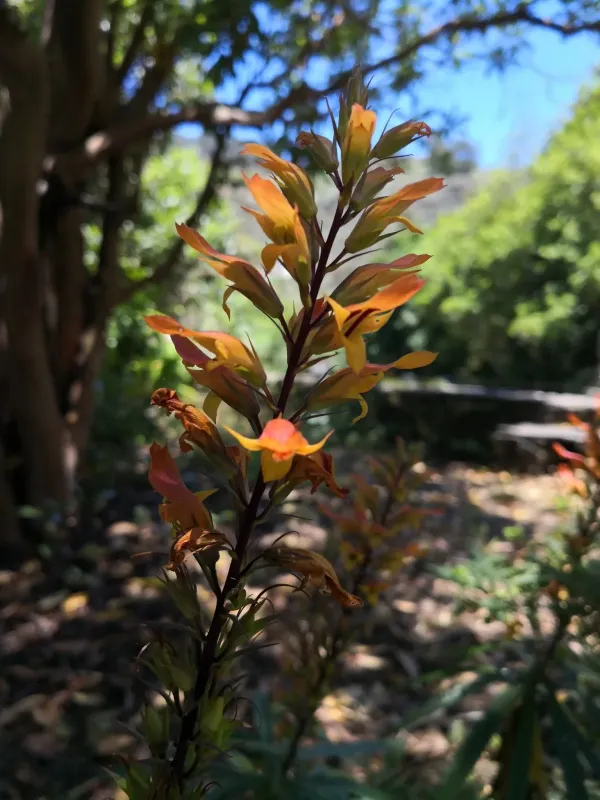
Description
Sowing dates
The seeds of Copper foxglove are extremely small, necessitating a shallow sowing method where they are merely pressed into the soil surface rather than buried.
Early spring is the optimal time for sowing in open ground, once the danger of frost has passed and the soil temperature has reached a consistent level.
Greenhouse propagation using light, sterile peat-based substrates significantly improves germination rates and provides seedlings with a strong initial boost.
It is crucial to cover the sowing containers with transparent material to maintain high humidity levels, as the tiny seeds are highly susceptible to desiccation.
Once seedlings develop two sets of true leaves, they should be thinned or transplanted into individual pots to ensure adequate root development.
Growing requirements
Copper foxglove thrives in sunny to partially shaded locations, making it a versatile plant for various garden conditions and field types.
Well-drained, fertile soil is essential; the plant requires consistent moisture but will suffer rapidly if roots are exposed to standing water or waterlogged soil.
The soil should have a neutral to slightly acidic pH, as highly alkaline soils can lead to chlorosis and stunted development of the foliage.
Consistent watering is necessary throughout the growing season, particularly during the rosette formation phase in the first year of the plant's life.
Regular cultivation and weeding around the base of the plant are vital to prevent competition for nutrients and to maintain good air circulation.
Yield
The yield of this crop is primarily measured by the total biomass of dried leaves harvested, which are valued for their bioactive compounds.
Intensive farming practices, including scheduled fertilization with phosphorus and nitrogen, can significantly increase the leaf mass per hectare.
Optimal plant spacing is critical; too much density leads to poor airflow, while too little spacing reduces the potential volume of raw material collected.
As a biennial plant, the first year is dedicated to the production of the leaf rosette, which provides the main harvest for pharmaceutical processing.
Careful management of soil nutrient levels directly correlates with the concentration of cardiac glycosides in the leaves, which is the primary quality metric.
Main diseases and pests
Powdery mildew is a frequent problem in humid climates, manifesting as a white fungal layer on leaves that degrades the quality of the herbal harvest.
Leaf spot pathogens can quickly spread through a plantation, requiring strict crop rotation practices to keep the soil pathogen-free for future cycles.
Root rot is the most serious threat, usually occurring due to poor soil drainage or excessive irrigation, which kills the plant's root system.
Pests such as aphids and spider mites frequently attack the foliage, sucking out nutrients and potentially transmitting viral diseases to the crop.
Integrated pest management, including the use of bio-insecticides and beneficial insects, is recommended to preserve the medicinal integrity of the foliage.
Harvesting
Harvesting should only take place on dry, sunny days to ensure the leaves contain minimal external moisture, which prevents spoilage during storage.
Leaves must be cut cleanly from the plant using sharp tools, being careful to avoid injuring the central rosette growth point during the collection process.
Drying must occur immediately after harvest in a well-ventilated, shaded area to maintain the concentration of the sensitive cardiac compounds.
The drying temperature should be strictly controlled, never exceeding 45 degrees Celsius, to prevent the thermal degradation of the plant's medicinal components.
Once fully dried, the raw material must be stored in airtight, dark containers in a cool environment to retain its chemical potency for as long as possible.