
Copper foxglove
Digitalis chalcantha (Svent. & O'Shan.) Albach et al.
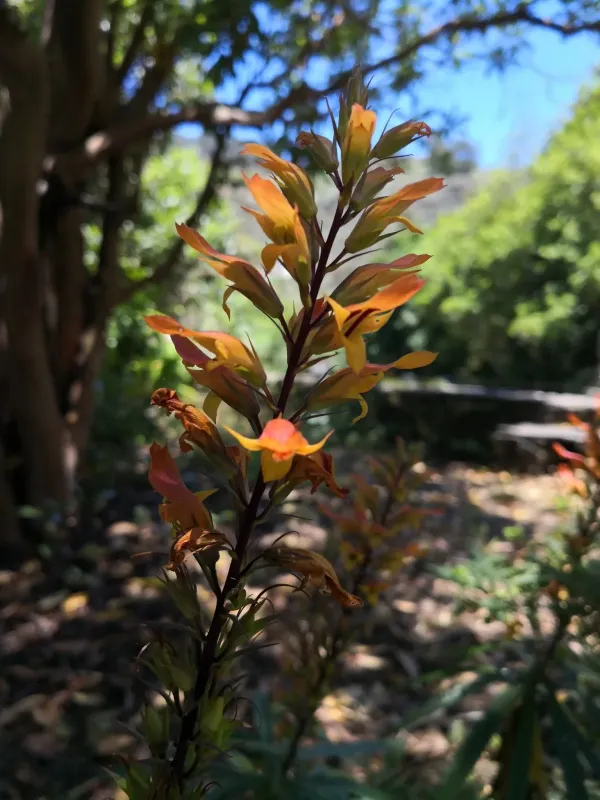
Description
Sowing dates
Sowing seeds of Digitalis chalcantha requires careful attention to light exposure, as the seeds are photoblastic and should not be covered with a thick layer of soil.
The optimal time for sowing is early spring in a climate-controlled greenhouse, maintaining a steady temperature range of 18–22 degrees Celsius.
Using seed trays filled with a sterile, fine-textured substrate helps in achieving uniform germination rates and managing seedling development effectively.
Once seedlings reach the two-leaf stage, they should be transplanted into individual pots to allow for sufficient root development before moving outdoors.
Hardening off the seedlings over a period of ten days is essential to prepare them for the environmental conditions of the open field or garden beds.
Growing requirements
The Copper foxglove is an endemic species originating from the Canary Islands, belonging to the Plantaginaceae family, which dictates its preference for specific habitats.
It thrives in well-draining, slightly acidic to neutral soils enriched with decomposed organic matter to support its complex nutritional requirements.
The plant demands a location with full to partial sun exposure, as insufficient light will lead to stunted growth and reduced vigor in foliage development.
Proper water management is critical; the root zone must remain moist but never waterlogged, which can be achieved through adequate soil structure and drainage.
Climatic conditions should ideally mimic its native mountain habitat, avoiding extremes in both heat and cold to maintain the health of the plant.
Yield
Production efficiency for Copper foxglove is optimized through high-density planting techniques that maximize the utilization of available space and light.
Harvesting for medicinal use generally focuses on leaf production in the first year, yielding approximately 2–3 kilograms of fresh biomass per square meter.
Applying potassium-rich fertilizers during the active growth phase significantly boosts the development of the flowering stalk and secondary leaf growth.
The second year of growth typically produces the highest concentration of bioactive compounds, making it the most productive stage in the plant's cycle.
Regular monitoring of leaf development allows for targeted harvesting, which helps in maintaining the plant's structural integrity for multiple potential harvests.
Main diseases and pests
Root rot is the most prevalent threat, occurring primarily when soil aeration is insufficient or when irrigation practices result in persistent water saturation.
Aphids often target the tender flower buds and young foliage, necessitating prompt identification and organic control measures to prevent viral spread.
Powdery mildew can be a persistent challenge in humid environments with poor air circulation, requiring careful pruning to increase airflow around the plants.
Slugs and snails present a significant threat to young seedlings and soft tissues during the early spring, requiring physical barriers for plant protection.
Nematode infestation in the soil can severely impact plant longevity, making proper site selection and soil sterilization vital for long-term cultivation.
Harvesting
Harvesting should be conducted using sharp, sanitized tools to ensure clean cuts that minimize the risk of wound infections in the plant tissues.
Leaves should be harvested during the peak of their physiological activity, which usually aligns with the early stages of flowering for the best chemical quality.
Drying must be performed in a cool, dark, and well-ventilated space to prevent the oxidation of essential secondary metabolites within the plant matter.
Ensuring that the moisture content of the dried product is below 10 percent is crucial for preventing spoilage and maintaining the product's shelf life.
Proper documentation of harvest timing and conditions is recommended to track the quality of the raw material throughout the production season.