
Digitalis dubia
Digitalis dubia Barb. Rodr.
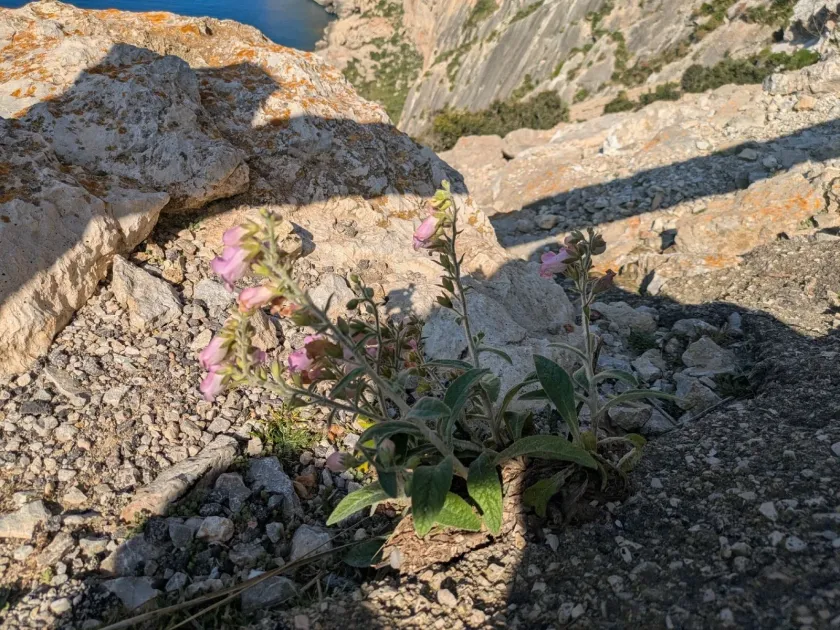
Description
Sowing dates
The seeds of Digitalis dubia are extremely small, requiring surface sowing for optimal germination. It is recommended to sow them in late winter or early spring using a light, well-draining seed-starting mix.
To promote germination, do not cover the seeds with a thick layer of soil; instead, press them gently into the moist surface. Placing the containers in a bright location is essential as light stimulates the sprouting process.
Maintain a consistent temperature between 18 and 20 degrees Celsius. Keep the surface moist by using a fine mist sprayer, which prevents the tiny seeds from being washed away or buried too deeply during the initial stages.
Once the seedlings develop at least two sets of true leaves, they should be carefully pricked out and transplanted into individual pots. This practice encourages the development of a robust root system before final planting.
Acclimatization to outdoor conditions should be done gradually. Once the risk of spring frost has completely passed, the young plants can be moved to their permanent spot in the garden, spaced 30–40 cm apart.
Growing requirements
Digitalis dubia is a perennial herb belonging to the Plantaginaceae family. Endemic to the Balearic Islands, this plant is valued for its unique, localized adaptation and attractive, tubular purple flowers.
The plant thrives in well-drained, porous soils. It is particularly susceptible to root rot, so growing it in heavy or waterlogged soil should be strictly avoided. Sandy or gritty soil mixtures are preferred for long-term health.
Exposure to full sun is necessary for the plant to achieve its best growth and flowering potential. While it can handle light partial shade in extremely hot climates, consistent sunlight ensures compact and sturdy habit.
Irrigation needs are moderate; the soil must be allowed to dry out slightly between waterings. Overhead watering is discouraged to prevent moisture accumulation in the basal rosette, which can cause crown rot.
Fertilization should be handled with care, as Digitalis dubia is not a heavy feeder. A light application of balanced, slow-release fertilizer in early spring is usually sufficient to support its growth throughout the season.
Main diseases and pests
Root and crown rot are the primary threats to this species, usually resulting from poor soil drainage or overwatering. Once rot sets in, the plant rarely recovers, making prevention through soil management critical.
Fungal leaf spot diseases may appear during periods of high humidity or poor air circulation. Improving airflow around the plants and removing diseased leaves quickly can help prevent the spread of fungal spores.
Aphids and spider mites are common pests that target the plant, particularly in dry and warm weather. Regular inspections of the undersides of the leaves help detect infestations before they cause significant damage.
Gastropods, such as slugs and snails, are known to feed on young leaves, which can stunt plant growth early in the season. Implementing physical barriers or safe bait methods is often necessary in infested gardens.
Removing spent flower spikes is an important maintenance task. Not only does this keep the plant looking tidy, but it also redirects the plant's energy towards root health and leaf production rather than seed formation.