
Digitalis isabelliana
Digitalis isabelliana (Webb) Linding.
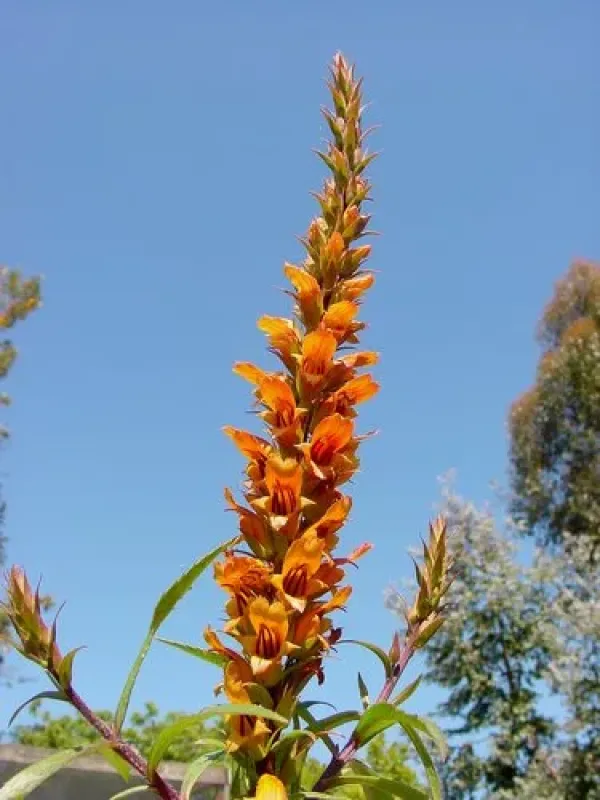
Description
Sowing dates
Sowing seeds of Digitalis isabelliana is best performed in early spring under greenhouse conditions or protected environments to ensure strong seedling development. The seeds of this species are extremely small, so they should not be buried deeply but rather pressed gently onto moist substrate.
In outdoor settings, sowing should take place once the soil has warmed to 15-18 degrees Celsius. In regions with milder climates, the optimal window for direct sowing is during April or early May.
Ensuring consistent surface moisture is crucial for successful germination without letting the substrate dry out. Under proper temperature conditions, germination typically occurs within 14 to 21 days.
Using the transplant method allows for a shortened vegetation cycle, leading to earlier flowering in the first season. When pricking out seedlings, caution is required to avoid damaging the delicate root system by transplanting with a soil ball.
Planting density depends on the specific horticultural objectives, averaging 8-12 plants per square meter to ensure adequate air circulation and prevent overcrowding.
Growing requirements
Digitalis isabelliana, a member of the Plantaginaceae family, is endemic to the Canary Islands and requires specific environmental conditions for vigorous growth. The plant thrives in well-drained, light soils with a neutral to slightly acidic pH level.
The culture is sensitive to light conditions and performs best in open areas with dappled or filtered sunlight. Intense direct midday sun in hot regions may cause leaf scorch, making light shading a beneficial factor during peak heat.
The ideal temperature range for the development of this species lies between 15 and 25 degrees Celsius. The plant is highly sensitive to excessive moisture in the root zone, which can rapidly lead to root rot during water stagnation.
Essential agronomic practices include regular cultivation and hoeing of rows to improve soil aeration. Lack of oxygen in the root zone negatively impacts the overall vitality and growth rates of the plant.
During the active vegetation period, the plant responds well to balanced mineral fertilization; however, excessive nitrogen intake should be avoided to prevent overgrowth of foliage at the expense of floral development.
Main diseases and pests
The primary threats to Digitalis isabelliana are fungal diseases that thrive under improper humidity levels. Powdery mildew can affect the leaf surface if there is poor air circulation within the planting area.
Root rots represent the most critical threat, often resulting from overwatering or heavy, poorly draining soil types. Prevention relies on strict adherence to irrigation management and proper drainage systems.
Among pests, aphids and spider mites can cause significant damage by feeding on plant sap. Affected foliage often becomes deformed, leading to a substantial decrease in the aesthetic quality and health of the plant.
Slugs and snails pose a severe threat, particularly during rainy periods, as they target young leaf rosettes. Regular monitoring of the fields is necessary to implement timely control measures.
To prevent the spread of pathogens, it is vital to practice crop rotation and avoid high plant density, ensuring that air can flow freely between individual plants at all stages of development.