
Feretia
Feretia
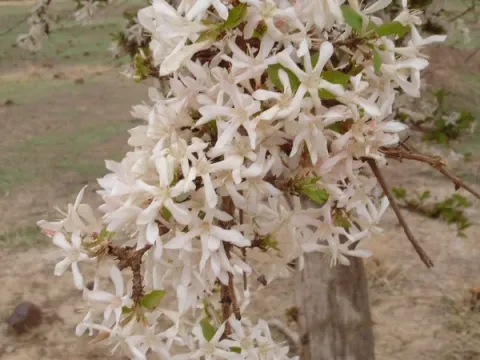
Feretia (Latin: Feretia) is a genus of tropical plants belonging to the Rubiaceae family. In their natural habitat, these are predominantly deciduous shrubs or small trees adapted to the environmental conditions of tropical Africa.
What the section contains


Feretia
The plant prefers well-drained, fertile soils with a neutral or slightly acidic pH level. In the wild, Feretia is commonly found in woodlands and savannas, where light levels are relatively high but there is natural protection from intense midday sun.
Climatic requirements for this culture include consistently high temperatures throughout the entire growing season. Feretia does not tolerate prolonged frosts and requires protection from cold, harsh winds, which restricts its cultivation area to strictly tropical and subtropical zones.
Soil moisture control is critical during cultivation. Despite its tropical origins, the species can withstand short periods of drought typical of its natural habitat; however, for industrial or ornamental growing, regular and consistent irrigation is necessary.
The economic value of Feretia lies in its use in local traditional medicine and as an ornamental shrub. Some species within the genus are known for their fragrant blossoms, making them promising candidates for landscape design in suitable climates.
The main threats to Feretia are associated with fungal diseases that develop during excessive moisture retention in the root zone. Root rot infection often leads to the death of the entire plant if timely fungicide treatment is not provided.
Among pests, insects typical for tropical Rubiaceae represent the greatest danger. These include mealybugs and spider mites, which actively multiply in conditions of dry air and overly dense plantings.
To control pest populations, agronomists recommend regular preventive inspections of leaves and shoots. Upon detecting initial signs of infestation, systemic insecticides or biological control methods should be applied to preserve the plant's health and appearance.
Maintaining adequate planting distance facilitates better air circulation within the canopy, which significantly reduces the risk of disease. Pruning is an essential agrotechnical practice that helps maintain the sanitary condition of the plantation.
Resistance to typical pathogens depends on the overall level of agrotechnology. A healthy plant that receives balanced nutrition and irrigation possesses sufficient natural immunity to resist most detrimental environmental factors.