
Feretia
Feretia aeruginascens
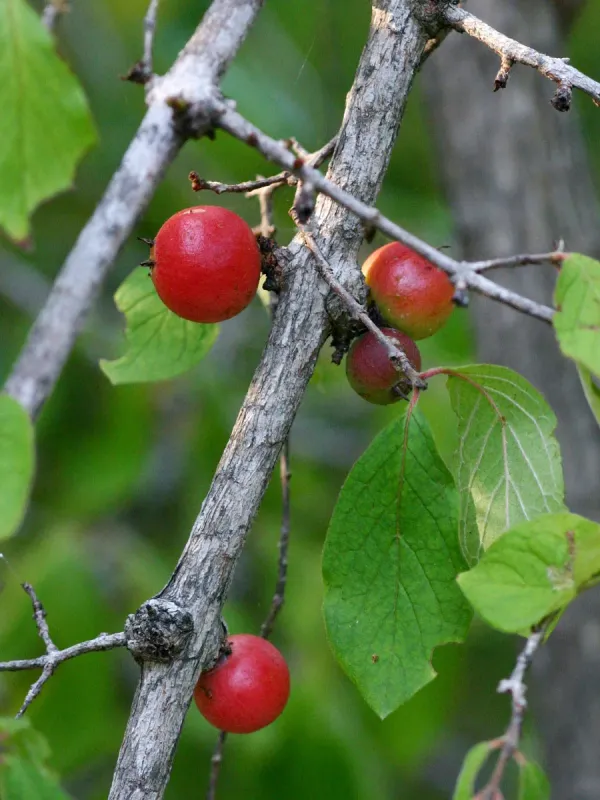
Description
Growing requirements
Feretia (Feretia aeruginascens) is a distinct shrub or small tree belonging to the Rubiaceae family. It is native to tropical Africa, primarily found in savanna woodlands and diverse bushland environments where it thrives in natural ecosystems.
The plant demonstrates a remarkable tolerance for dry conditions, making it well-suited for sandy and well-drained soil types. It avoids waterlogged areas, which are detrimental to its root health and long-term development.
Sunlight is a fundamental requirement for this species. To achieve optimal growth, Feretia requires a site with full sun exposure, as it struggles to maintain its structural integrity and vitality in shaded or low-light conditions.
Temperature management is critical for this species. It is strictly a tropical plant that does not survive exposure to frost or prolonged chilly conditions, requiring consistent warmth throughout the year to remain productive.
Agrotechnical management includes proper site selection and initial irrigation support until the plant is established. Once mature, it develops deep root structures that allow it to withstand seasonal droughts typical of its native environment.
Main diseases and pests
Fungal diseases are the primary threat when soil aeration is insufficient. Poor drainage leads to root decay, which is the most common cause of failure in Feretia cultivation settings.
Insect pests, particularly leaf-chewing larvae and sap-sucking insects, often target the young foliage. Regular monitoring is essential to prevent significant loss of photosynthetic surface area.
Weed management is vital during the early growth stages of the plant. Without adequate weeding, competing flora can easily choke young seedlings, leading to stunted growth or total loss of the crop.
Rodent damage to the base of the trunk or roots represents a persistent challenge in outdoor plantations, necessitating protective measures such as physical barriers or site sanitation.
To maintain a healthy crop, growers should focus on maintaining adequate spacing between plants to ensure good airflow and minimize the spread of moisture-related pathogens.