
Feretia
Feretia apodanthera
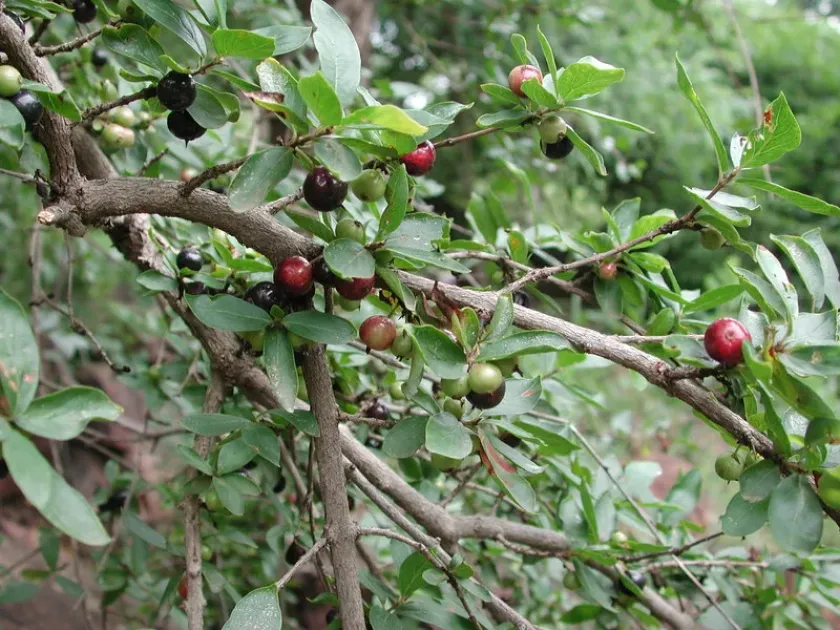
Description
Growing requirements
Feretia (Feretia apodanthera) is a deciduous shrub or small tree belonging to the Rubiaceae family. Native to tropical Africa, it is commonly found in dry woodland savannas, rocky outcrops, and open forests, showcasing a significant adaptation to harsh environments.
Botanically, the plant is characterized by its stiff branches and simple, opposite leaves. It can reach heights of up to five meters, often developing a dense, thorny structure that serves as a survival mechanism against herbivores in its natural habitat across Sudan, Ethiopia, and parts of West Africa.
The cultivation of Feretia requires well-drained soil, as the plant is highly sensitive to waterlogged conditions that can cause root decay. It thrives in various soil types, ranging from sandy loams to rocky substrates, provided there is adequate aeration for the root system.
In terms of climatic needs, this species is a sun-loving plant that requires full exposure to sunlight to maintain vigorous growth and produce flowers. It is exceptionally resilient to high temperatures and seasonal drought, which makes it a suitable candidate for semi-arid agriculture.
Economic utility of the plant is diverse, as the wood is valued for its durability and strength, frequently utilized for making domestic utensils and tool handles. Additionally, the edible fruit and the medicinal properties of its roots and bark make it a valuable resource for local communities.
Main diseases and pests
Feretia is generally robust, but in agricultural settings, it can be susceptible to fungal pathogens if the soil moisture levels are not strictly managed. Avoiding standing water near the trunk is the primary measure for preventing decay.
Insects, particularly defoliating beetles and certain types of caterpillars, represent the main biotic threats to the foliage. These pests can significantly reduce the photosynthetic capacity of the plant if left unchecked during the rainy season.
Integrated pest management strategies are recommended, focusing on early detection through regular monitoring of the canopy and maintaining clean growing environments in nurseries to prevent the spread of soil-borne diseases.
Proper spacing between individuals is essential to promote airflow and mitigate the risk of fungal infections that thrive in stagnant, humid air pockets within the shrubbery.
If chemical or biological intervention becomes necessary, treatments should be applied during the early stages of infestation to minimize the impact on the overall health and development of the shrub.