
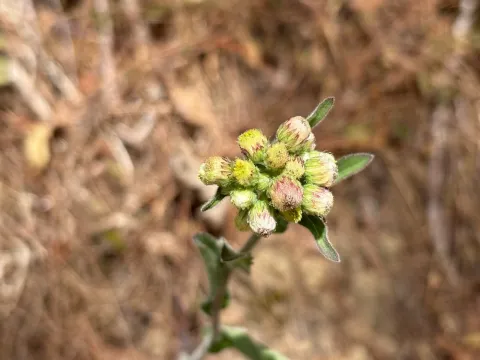
Eschenbachia
Eschenbachia
Eschenbachia is a genus of flowering plants belonging to the Asteraceae family. While many species are considered weeds in agricultural settings, some are studied for their potential applications in medicine and soil phytoremediation due to their biological properties.
What the section contains

Eschenbachia
The sowing process begins in spring, once the soil temperature is consistently above 15 degrees Celsius. The seeds require warmth and light to germinate effectively, so they should be sown shallowly, ideally not deeper than 0.5 to 1 centimeter into the soil surface.
Preparation of the seedbed is critical to ensuring good soil-to-seed contact. The soil should be finely tilled and leveled to prevent the small seeds from being washed away or buried too deeply during irrigation or rainfall.
When cultivating for research or industrial use, spacing should be optimized to allow for sufficient airflow and light penetration. Row spacing of approximately 25–30 centimeters is often recommended to maintain plant health and facilitate maintenance.
Seedlings develop relatively slowly in the early stages, so keeping the area clear of competing vegetation is essential for ensuring successful crop establishment during the first few weeks after germination.
Eschenbachia thrives in well-lit environments with full sun exposure. It is highly adaptable to various soil textures, including sandy and loamy types, provided that the drainage is efficient, as the plant is susceptible to root rot if water stagnates.
The plant prefers a neutral soil pH ranging from 6.0 to 7.0. While it can withstand moderate drought conditions, consistent moisture during the vegetative growth phase leads to more robust biomass production and higher quality plant material.
Temperature plays a key role in the plant's development, with an optimal range between 20 and 28 degrees Celsius. Extreme temperature fluctuations during the flowering stage can impact seed production and affect the chemical composition of the plant.
Fertilization should be managed carefully. Excessive nitrogen can lead to overly succulent growth, which might attract more pests or decrease the plant's natural resilience. A balanced approach with moderate nutrient application is preferred.
Good ventilation is necessary to prevent the buildup of humidity, especially in dense plantings. Regular cultivation between rows helps improve oxygen availability to the roots and disrupts the life cycle of soil-borne pathogens.
The primary threats to Eschenbachia include fungal infections, particularly powdery mildew, which can occur under high humidity or poor ventilation. Early detection through regular monitoring is key to preventing widespread infection within the crop.
Pests like aphids and spider mites are common concerns for many Asteraceae species. These insects can cause damage by feeding on young foliage, potentially leading to yellowing, stunted growth, and the transmission of plant viruses.
Integrated pest management, including the use of biological control agents and insecticidal soaps, is recommended to manage infestations effectively. Chemical pesticides should be used sparingly and only when absolutely necessary.
Weed management is vital throughout the growing season. Because Eschenbachia may compete poorly with vigorous invasive species, manual weeding or careful mechanical cultivation is required to keep the site clean and ensure optimal nutrient uptake.
Crop rotation practices should be strictly followed to reduce the prevalence of soil-borne diseases. Avoiding planting Eschenbachia in fields that previously hosted other Asteraceae species can significantly reduce the risk of shared pathogen outbreaks.
The timing of the harvest depends on the intended end-use of the Eschenbachia crop. If the goal is to extract active compounds, the plant should be harvested at the peak of the flowering stage, just before the seeds begin to develop fully.
For seed production, harvest should be delayed until the seed heads turn brown and begin to dry. It is crucial to perform this task in dry weather to ensure that moisture content remains low, preventing mold growth during the drying process.
Harvesting can be done manually or using specialized agricultural equipment depending on the scale of the operation. Care must be taken to minimize seed loss, as seeds are small and easily dispersed by wind once the heads open.
After harvesting, the material should be spread out in a well-ventilated, shaded area for drying. Keeping temperatures below 40 degrees Celsius ensures that the volatile compounds within the plant tissues are preserved and not degraded by excessive heat.
Once dried, the harvested plant material should be stored in moisture-proof containers in a cool, dark place. This preserves the plant's integrity and quality, ensuring it remains useful for its medicinal or chemical applications for a longer duration.