
Eschenbachia stricta
Eschenbachia stricta
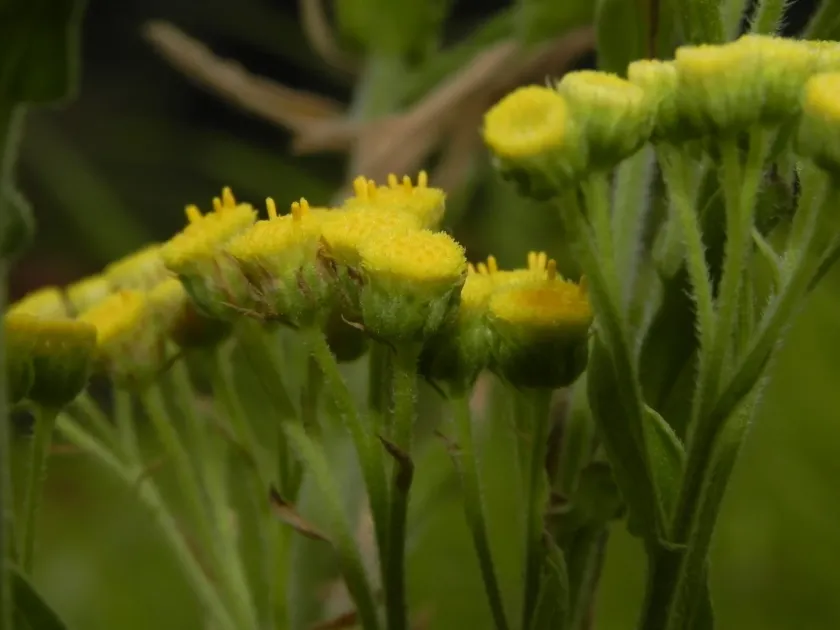
Description
Sowing dates
Eschenbachia stricta, a member of the Asteraceae family, typically germinates in early spring when soil temperatures reach stable levels for seedling emergence.
Seeds of this plant are light-dependent, requiring shallow sowing methods to ensure successful transition from dormancy to active growth phases.
In cultivation, timing is adjusted to local climate patterns to avoid late frosts that could damage young, tender rosettes formed shortly after emergence.
Uniform distribution during seeding is crucial to prevent resource competition, as the plant is known for its robust and rapid vegetative development.
Farmers often monitor the site for moisture availability, as the critical period for seedling survival occurs during the first two weeks post-sowing.
Growing requirements
The plant is naturally adapted to a wide range of environmental conditions, often thriving in disturbed soils where other species might struggle to establish.
Optimal growth requires high levels of solar radiation, as light intensity directly influences the vertical development of its characteristic straight stems.
Soil structure should ideally be well-drained, preventing waterlogging that can impede root respiration and lead to developmental delays or fungal infections.
It exhibits high tolerance to various pH levels, although fertile, sandy-loam soils generally provide the best conditions for maximizing overall biomass production.
Temperature management is secondary to light exposure, as the species is hardy and capable of adjusting its metabolic rates across a broad thermal range.
Main diseases and pests
The resilience of Eschenbachia stricta is largely attributed to its secondary metabolites, which serve as natural defenses against common insect herbivores.
Potential threats include foliar pathogens that thrive in humid environments, which may manifest as localized spots if air circulation is insufficient.
Overcrowding within the field acts as a primary stressor, increasing the likelihood of pathogen transmission between plants in a dense population.
Standard agricultural practices for disease management, such as sanitation and maintaining appropriate plant spacing, are usually sufficient for control.
While few pests pose a significant danger, vigilant monitoring is advised during the peak of the growing season to ensure early detection of any anomalies.