
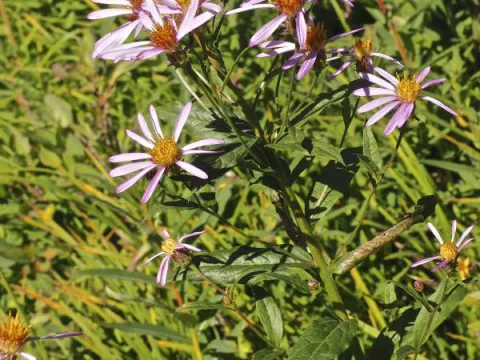
Eucephalus
Eucephalus
Propagation of Eucephalus is typically achieved through seeds or vegetative division of the root system. Spring, once the soil has warmed up, is the ideal time to begin the sowing process for this perennial.
What the section contains

Eucephalus
Seeds benefit significantly from stratification to ensure high germination rates. Sowing should be shallow, usually at a depth of about 1–2 centimeters in well-draining, fertile soil.
Vegetative division is best performed during the plant's dormant period, early in the spring or late in the fall. This method ensures that the new plantlets retain the characteristics of the parent variety.
For container-grown seedlings, maintain consistent humidity and moderate temperatures to foster root development. Once the seedlings have established a robust root system, they are ready for transplanting.
When moving plants to their permanent outdoor location, ensure they are spaced adequately to allow for air circulation, which is vital for preventing disease later in the growth cycle.
Eucephalus thrives in locations with plenty of sunlight, though it can tolerate partial shade depending on the specific environment. A soil with neutral or slightly acidic pH is optimal for its development.
Excellent drainage is a primary requirement for this genus. The root system is sensitive to waterlogging, so incorporating organic matter or coarse sand into heavy clay soils can improve growth conditions significantly.
Consistent watering during dry spells is necessary to maintain the plant's health and vibrant appearance. However, avoid overhead irrigation, which can dampen the foliage and encourage fungal pathogens.
Fertilization with a balanced, slow-release nutrient mix applied at the start of the growth season supports vigorous foliage production and prolific flowering later in the year.
Winter hardiness is a notable trait of Eucephalus. In temperate regions, it remains relatively low-maintenance, requiring only basic mulching to protect the roots during exceptionally harsh winters.
The primary value of Eucephalus is ornamental, providing an abundance of flowers that contribute to the aesthetic appeal of a garden. Yield is measured in the number of blossoms and the density of the foliage.
Proper management, including deadheading spent flowers, helps redirect the plant's energy toward creating new growth and potentially a secondary flush of blooms in cooler climates.
Seed production is consistent when plants are healthy. Harvesting seeds for future planting should be done only after the seed heads have fully matured and turned brown in late summer.
As a long-lived perennial, Eucephalus remains stable in the landscape for years. This reduces the need for frequent replanting and allows it to become a permanent feature of a floral border.
The plant's structural integrity makes it a suitable candidate for mass planting, creating uniform displays that serve as a backdrop for lower-growing garden species.
Powdery mildew represents a common fungal threat to Eucephalus, especially when environmental conditions include high humidity and poor ventilation. Prompt treatment with appropriate fungicides is essential.
Insects like aphids can colonize the young, tender growth, sucking sap and weakening the plant. Regular monitoring of the underside of leaves can help detect early infestations.
Root rot is a critical concern caused by overwatering or soil compaction. Maintaining an airy, well-draining soil structure is the most effective preventative measure against such diseases.
Pests inhabiting the soil, such as wireworms or grubs, may damage root systems. If such pests are present, using targeted, environmentally safe soil treatments can help protect the plant's vitality.
- Improve air circulation to prevent mold.
- Inspect foliage regularly for sap-sucking pests.
- Avoid over-fertilization, which encourages weak growth.