
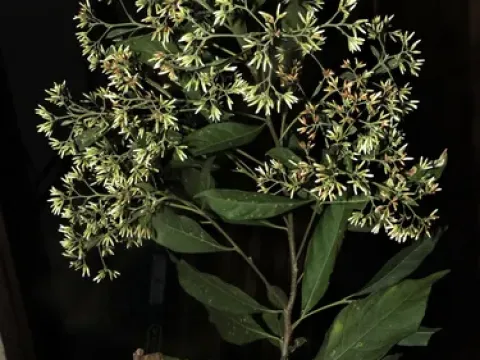
Eremosis
Eremosis
The sowing of Eremosis should be scheduled based on the local climate, with early spring being the most recommended period for optimal establishment.
What the section contains
Eremosis
Ensuring the soil temperature has reached a minimum threshold is crucial for the uniform and rapid emergence of young seedlings.
Precision seeding equipment should be utilized to maintain consistent depth, which is vital for achieving the desired density of the stand.
Field preparation involves creating a firm seedbed to ensure good soil-to-seed contact, facilitating efficient moisture uptake during germination.
In regions with fluctuating spring temperatures, staggered sowing may be employed to mitigate risks associated with sudden late-season frosts.
Eremosis belongs to the Asteraceae family and requires specific environmental conditions to reach its full productive potential.
The crop thrives in well-drained, fertile soils with a neutral pH, avoiding areas prone to heavy waterlogging or soil compaction.
Adequate sunlight exposure is essential for the development of healthy plant biomass and the prevention of stem lodging or weakness.
While the plant shows notable resilience to dry spells, supplementary irrigation during the critical growth phases can significantly boost yields.
Strategic application of macro and micronutrients based on soil analysis ensures that the plant has the resources needed for robust growth.
Achieving high yields of Eremosis depends largely on the management practices adopted throughout the entire vegetative season.
Productivity is maximized when competition from weeds is effectively controlled through mechanical or chemical interventions in the early stages.
Yield data from various trials suggest that early harvest timing is a key factor in ensuring the nutritional quality of the final harvest.
Density management is another critical aspect, as overly dense stands may compete for light, whereas sparse stands leave room for weeds.
The use of certified seeds with high purity and germination rates is the foundation for achieving target production levels per hectare.
The primary threats to Eremosis include various insect pests that feed on foliage, potentially causing significant defoliation and growth delays.
Fungal diseases, often encouraged by high humidity and poor field drainage, pose a risk to both leaf health and root integrity.
Implementing an Integrated Pest Management (IPM) strategy helps to reduce reliance on chemical sprays while maintaining effective control.
Regular field scouting allows farmers to identify early symptoms of disease or pest outbreaks and intervene before damage becomes widespread.
Crop rotation practices are highly effective in disrupting the life cycles of common soil-borne pathogens and pests associated with this crop.
The harvesting process for Eremosis must be carefully timed to coincide with the phenological phase that yields the best nutritional profile.
Mechanical harvesting equipment should be kept in good condition to ensure clean cuts, which aids in the post-harvest recovery of the plants.
Post-harvest handling requires quick transportation to storage facilities to prevent degradation caused by high internal temperatures in the cut biomass.
Moisture control during the drying or ensiling process is critical to preventing the growth of molds and the loss of overall harvest quality.
Proper cleaning of harvesting machinery after use prevents the spread of potential weeds and pathogens from field to field.