
Edithcolea
Edithcolea
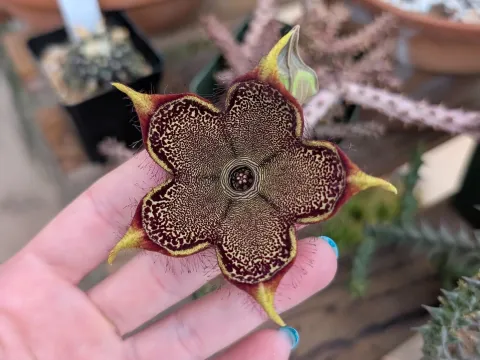
Edithcolea is a remarkable genus of succulent plants within the Apocynaceae family, known for its intricate, leopard-spotted flowers. It is highly prized by succulent collectors for its unique botanical structure.
What the section contains

Edithcolea
Originating from the arid zones of Eastern Africa, including Ethiopia, Kenya, and Somalia, Edithcolea thrives in rocky habitats where it receives intense sunlight and minimal precipitation.
The cultivation of this plant requires a precise balance of environmental factors. It demands high light levels, though direct harsh sunlight should be filtered during peak summer hours to prevent scorching the delicate stems.
Soil composition is the most critical factor for success. A highly porous mix consisting mostly of inorganic material like coarse sand, volcanic rock, or pumice is essential to ensure rapid drainage and air circulation around the root zone.
Thermal requirements dictate that the plant must be kept in warm conditions, with temperatures ideally staying between 20 to 30 degrees Celsius during the growing season. It should never be exposed to freezing temperatures or prolonged dampness.
The primary threat to Edithcolea is stem and root rot caused by stagnant moisture. Once rot begins to spread within the succulent tissues, it is often irreversible, necessitating immediate surgery to save healthy cuttings.
Mealybugs are the most common insect pest. These pests cluster in the crevices of the stems, making them difficult to detect until they have caused significant damage to the plant's epidermis and general health.
Root aphids pose a hidden danger, as they feed on the root system under the soil surface. This leads to stunted growth and a general decline in the plant's vigor, which is often misdiagnosed as underwatering.
Fungal infections can appear as black or brown spots on the stems, particularly during periods of high humidity or poor ventilation. These pathogens thrive in stagnant air and require quick intervention with appropriate fungicides.
Preventive care involves maintaining a strict watering regime, ensuring the soil dries out completely between waterings, and conducting regular inspections of both the plant surface and the potting medium to identify pests early.