
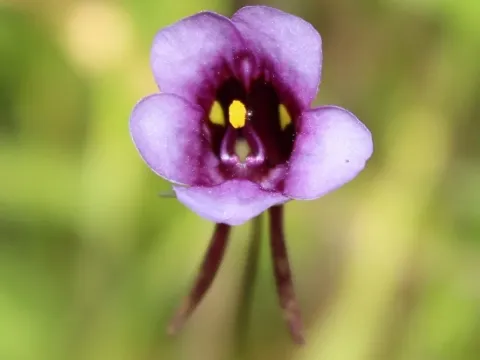
Diascia
Diascia
Diascia is a genus of flowering plants in the family Scrophulariaceae, originating primarily from Southern Africa. Propagation is typically achieved through seeds sown indoors in late winter, around February or March.
What the section contains


Diascia
The seeds are minute and require surface sowing on a moist, well-draining seed-starting mix. They should not be buried, as light is beneficial for the germination process, which typically takes about two weeks at 20°C.
Once the seedlings develop their first true leaves, they should be pricked out into individual pots. Pinching the growing tips of the young plants is essential to encourage branching and a more compact, floriferous habit.
Hardening off the seedlings is a critical stage before transplanting them into the garden or containers. This process involves gradually exposing the plants to outdoor conditions over 7–10 days.
Transplanting into the permanent location should only occur after the risk of frost has passed, ensuring the soil has warmed up sufficiently for root establishment.
Diascia thrives in full sun, which is necessary for producing the abundant blooms that define this species. Partial shade may be tolerated in extremely hot climates but usually results in leggy growth.
The ideal soil is sandy, fertile, and provides excellent drainage. Poor drainage is the most common cause of plant failure, as the root system is highly susceptible to rot.
Watering requirements are moderate. While established plants show some drought tolerance, regular moisture is needed for constant flowering, particularly in hanging baskets or containers.
Maintenance involves routine deadheading of spent flowers, which encourages the plant to produce a second flush of blossoms and maintains a tidy, professional appearance.
Light feeding with a balanced liquid fertilizer every few weeks during the peak growing season supports sustained performance and vibrant flower color.
The most common disease threat is root rot caused by stagnant water or excessively heavy soil. Improving soil structure through organic amendments can prevent this issue.
Aphids are frequent pests, often clustering on the tender new growth and flower buds. Control involves either physical removal with a strong water spray or applying systemic insecticides.
Spider mites can become problematic during hot, dry weather. These pests cause yellowing of the leaves and can be managed by increasing humidity around the plants or using miticides.
Slugs and snails can target young seedlings in moist conditions, leading to significant defoliation. Using physical barriers or bait is recommended for effective control.
Regular monitoring of the foliage and stems allows for early detection of potential threats, ensuring the longevity and health of the ornamental crop throughout the season.