
Diascia lilacina
Diascia lilacina
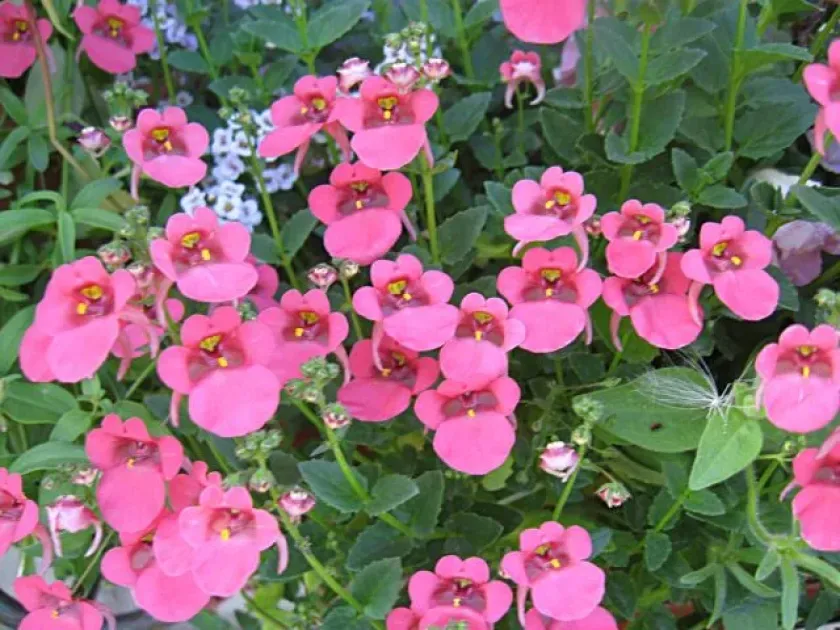
Description
Sowing dates
Sowing of Diascia lilacina seeds usually begins in late winter or early spring in a greenhouse or indoor setting. Since the seeds are extremely small, they should be scattered on the surface of the growing medium and pressed gently without being buried deep.
Maintaining a constant temperature between 18 and 20 degrees Celsius is essential for successful germination. Providing light is also crucial, as the seeds require sufficient exposure to trigger the germination process after being sown.
Once the seedlings develop their first true leaves, they should be carefully pricked out into individual pots. Using well-draining potting soil is critical to prevent the damping-off disease, which is common in many Scrophulariaceae species.
Pinching the tips of the seedlings encourages branching and helps develop a bushier growth habit. This is especially important for plants intended for hanging baskets or container displays where a compact shape is desired.
Transplanting into the garden or final container should occur only after the danger of frost has passed. Hardening off the plants by gradually introducing them to outside conditions is a necessary step before final planting.
Growing requirements
Diascia lilacina belongs to the Scrophulariaceae family and originates from Southern Africa. It is a perennial plant, although it is often treated as an annual in cooler climates due to its sensitivity to extreme cold and winter frost.
The plant thrives in full sun, though it appreciates light shade during the peak heat of the day in warmer regions. Sufficient light is the primary factor for achieving a long-lasting and prolific flowering period throughout the season.
Soil requirements include excellent drainage and a moderate level of fertility. They struggle in heavy or clay-rich soils that retain too much moisture, which can lead to rapid root decay if not properly addressed with amendments.
Watering should be consistent but managed carefully. While the plants require steady moisture during flowering, they should not be allowed to sit in water-logged soil, which negatively impacts root health and total floral production.
Regular fertilization with a balanced, water-soluble fertilizer helps sustain flower production throughout the summer. Limiting high-nitrogen fertilizers is recommended to prevent excessive leafy growth at the expense of floral buds.
Main diseases and pests
Root rot remains the most significant threat to Diascia lilacina, particularly in high-humidity or poorly ventilated environments. It is almost always caused by overwatering or soil that lacks proper drainage properties.
Aphids are the most common insect pests encountered during the growing season. These sap-sucking insects often congregate on young shoots and buds, causing stunted growth and distorted, sticky foliage due to the honeydew they secrete.
Spider mites can also become problematic during hot, dry spells. They cause foliage to become speckled or pale, eventually leading to leaf drop. Increasing humidity levels around the plant can help discourage mite infestations.
Fungal diseases like mildew can occur if plants are overcrowded and lack airflow. Ensuring adequate spacing between plants in a garden bed or container helps significantly in reducing the incidence of these fungal pathogens.
Effective pest management involves early detection and the use of targeted treatments. Removing dead or damaged plant material also minimizes the risk of pests finding a breeding ground within the foliage canopy.