
Diascia anastrepta
Diascia anastrepta
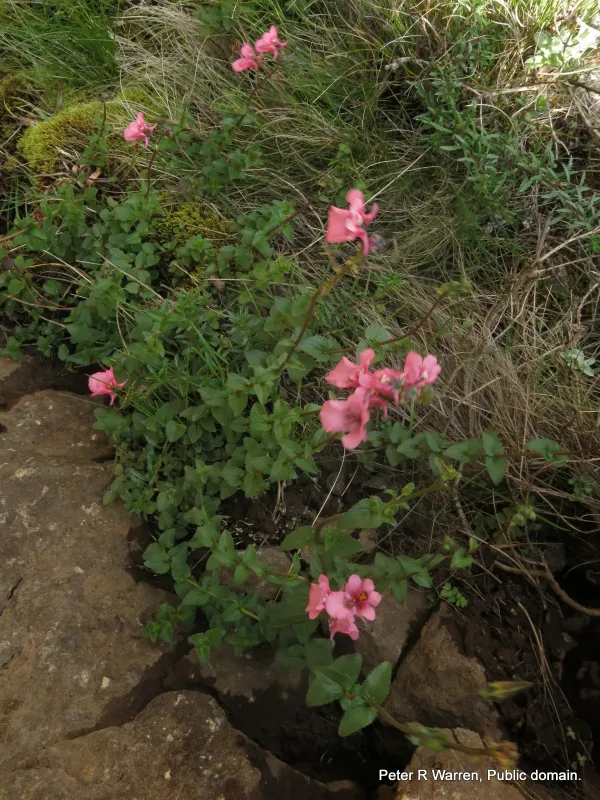
Description
Sowing dates
Diascia anastrepta is a decorative herbaceous plant belonging to the Scrophulariaceae family. Sowing seeds indoors usually begins in late February or March to ensure that the seedlings develop a robust root system before the transplanting stage.
For successful germination, a stable temperature between 18 and 20 degrees Celsius is required. The containers must be placed in a well-lit area, avoiding direct sunlight to prevent seedling burnout during the early stages of growth.
Maintaining a moderate moisture level in the substrate is critical, as seeds and young shoots are sensitive to both drought and waterlogging. Pricking out is performed once the plants develop their first two true leaves.
Transplanting to permanent outdoor locations or containers should occur only after the risk of frost has passed, typically by late May. Hardening off the plants outdoors for two weeks prior to planting is essential for stress reduction.
When planting in garden beds, a spacing of 20 to 25 centimeters between plants is recommended to encourage healthy growth and prevent excessive overcrowding.
Growing requirements
This species thrives in sunny, sheltered locations where it can receive maximum light. Exposure to full sun is necessary to maintain compact growth and encourage profuse, vibrant blooming throughout the season.
The soil must be light, well-draining, and moderately fertile. If the native soil is heavy or clay-based, adding sand or perlite is necessary to ensure adequate aeration and prevent moisture stagnation in the roots.
Irrigation should be consistent but measured. Allowing the soil surface to dry out slightly between waterings prevents the development of root-related issues and encourages deep root penetration.
Feeding the plants with low-nitrogen, high-phosphorus fertilizers helps support continuous flowering. Excessive nitrogen will lead to vegetative growth at the expense of flower production.
Proper airflow is a key requirement for Diascia anastrepta. In greenhouse environments or dense plantings, ensuring good ventilation prevents the accumulation of humidity that leads to pathogen growth.
Main diseases and pests
Aphids and spider mites are the most common pests that affect this plant, especially in dry and hot conditions. Regular inspections of the undersides of leaves allow for early detection and mitigation.
When pest populations reach an economic threshold, the application of systemic insecticides is recommended. Treatments should be performed early in the day to minimize the risk of phytotoxicity.
Root rot is a significant threat typically caused by overwatering and poor drainage. Once a plant shows signs of advanced rot, it should be removed to prevent the potential spread of pathogens to healthy neighbors.
Powdery mildew can occur in conditions of high humidity or poor ventilation. If infection is detected, the removal of affected foliage followed by an application of appropriate fungicides is necessary.
Maintaining a clean garden environment and providing the plant with optimal growing conditions are the best strategies to minimize the impact of pests and diseases on Diascia anastrepta.