
Clintonia
Clintonia
Clintonia is a genus of perennial herbs belonging to the Liliaceae family, widely recognized for its preference for cool and humid woodland environments. Native to regions across North America and Asia, these plants are highly regarded for their ability to thrive in shaded natural settings.
What the section contains


Clintonia
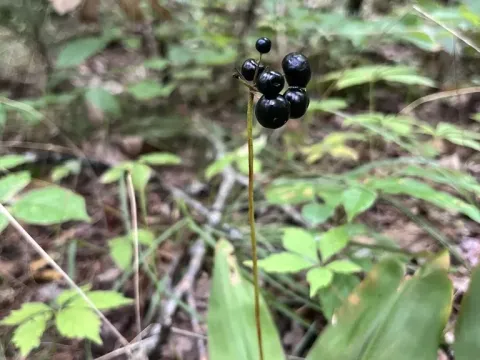
The botanical structure of Clintonia consists of a robust creeping rhizome and a rosette of basal leaves. During the blooming season, the plant produces an erect scape with umbellate inflorescences, followed by distinct, often blue or black, berry-like fruits that add significant aesthetic value.
Successful cultivation of Clintonia depends heavily on mimicking its natural habitat, which necessitates a location with consistent shade. Exposure to intense afternoon sun can scorch the leaves and stunt the plant, making it unsuitable for exposed garden beds without overhead canopy cover.
The soil requirements are strict, as the plant demands a humus-rich, loose, and acidic medium that remains consistently moist throughout the growing season. Integrating organic mulch into the soil helps maintain the humidity levels required for healthy rhizome expansion and leaf vitality.
Regarding its use, Clintonia is strictly an ornamental crop valued by landscape designers for naturalistic gardens. It is an ideal groundcover for north-facing areas or deep shade gardens, where its unique foliage and persistent fruits provide visual interest where other plants struggle to grow.
The primary threats to Clintonia include slug and snail infestations, which can rapidly damage the lush foliage if left uncontrolled. Additionally, the plant is susceptible to root rot if the soil becomes waterlogged or if fungal pathogens are present due to poor air circulation in the planting area.