
Columbia lily
Lilium columbianum
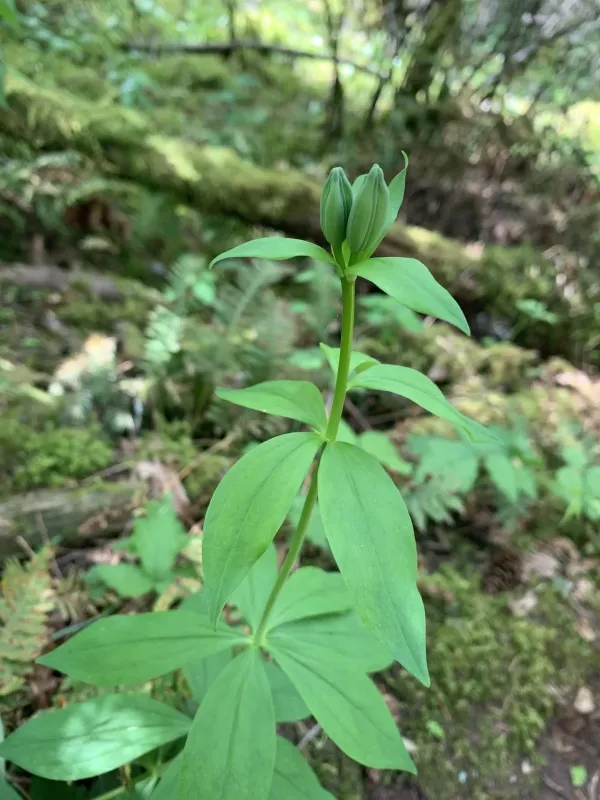
Description
Growing requirements
The Columbia lily (Lilium columbianum) is a perennial herbaceous plant belonging to the Liliaceae family. Native to western North America, it naturally thrives in regions ranging from British Columbia to California.
This species requires well-drained, nutrient-rich forest soils. It is typically found in meadow edges, forest openings, and open slopes, indicating a preference for soil conditions that offer both moisture and excellent aeration.
The cultural requirements for this plant include a location with dappled sunlight. While it can tolerate some direct morning sun, protection from harsh afternoon heat is essential for maintaining the health of the bulb.
Proper cultivation involves maintaining consistent soil moisture during the active growing season. However, once the flowering period concludes and the plant enters dormancy, the soil should be allowed to dry out significantly.
Cold stratification is often necessary for successful seed germination, reflecting the species' adaptation to temperate climates with distinct seasonal cycles.
Main diseases and pests
Columbia lilies are primarily susceptible to fungal diseases such as Botrytis blight, which manifests as spots on leaves and flowers, especially in humid conditions.
Bulb rot remains the most significant threat to the longevity of the plant, usually caused by heavy, compacted soils that do not allow for adequate water drainage.
Pests such as the lily leaf beetle can cause extensive defoliation if left unmonitored. Manual removal is often the most effective control method for small plantings.
Small mammals, particularly voles, pose a persistent threat by feeding on the nutrient-rich bulbs during the dormant winter months, necessitating the use of underground wire cages.
To ensure a healthy crop, growers must prioritize sanitary practices, including the removal of infected foliage and ensuring that bulbs are planted at the correct depth to prevent surface rot.