


Reference · Crops
Clarkia
Clarkia
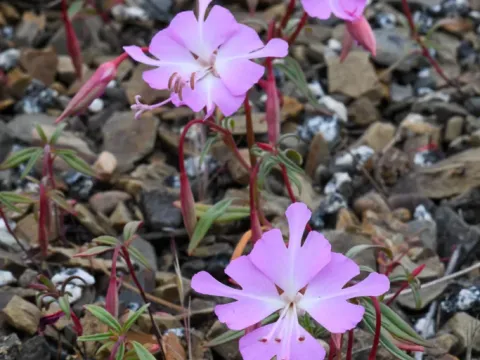
Clarkia is an attractive annual plant belonging to the Onagraceae family. It is typically propagated by seeds, which can be sown directly into the ground or started as seedlings for an early bloom.
4
items
What the section contains
Marketplace
Products in this section · 8


Clarkia
The optimal time for direct outdoor sowing is in April after the soil has warmed up. The plant is relatively cold-tolerant, making it suitable for temperate climates.
For earlier flowering, seeds can be sown indoors in March using biodegradable pots. Clarkia does not tolerate root disturbance well, so transplanting should be handled with extreme care.
Seeds should be covered with a very thin layer of soil or just pressed into the surface. Maintaining consistent moisture is crucial for successful germination, which usually takes two weeks.
Thinning the seedlings is an essential agrotechnical practice. Maintaining a distance of 25–30 centimeters between plants ensures healthy growth and prevents overcrowding.
Clarkia thrives in full sun exposure. In shaded areas, the stems tend to grow weak and leggy, significantly reducing the visual quality and flowering potential of the plant.
The plant requires well-drained, sandy-loam soil. Avoid heavy or waterlogged ground, as it can cause rapid root decay and stunted development during the growing season.
Soil pH should ideally be neutral or slightly acidic. Incorporating organic compost before planting helps maintain the necessary fertility level for optimal growth.
Watering should be balanced. While Clarkia needs moisture to establish, it is sensitive to waterlogging. Allow the topsoil to dry slightly between irrigation sessions.
Proper aeration is vital for the health of the foliage. Planting in an area with good air circulation reduces the risk of moisture-related diseases and pest infestations.
Root rot is the most common threat to Clarkia, primarily caused by overwatering or poorly drained soil conditions. Prevention is key through strict irrigation management.
Fungal diseases like powdery mildew can appear in humid environments. Ensuring adequate spacing between plants helps maintain a dry microclimate and prevents infection.
Aphids are the primary insect pests affecting the plant. These pests cluster on buds and young shoots, requiring prompt intervention with insecticidal soaps or systemic pesticides.
Slugs and snails may attack young plants during wet springs. Using physical barriers or bait can effectively protect the young seedlings from severe damage.
Regular sanitation of the growing site is recommended to minimize disease transmission. Removing infected plants immediately prevents the spread of pathogens to healthy specimens.