
Broad-leaved willowherb
Epilobium montanum
Description
Growing requirements
Broad-leaved willowherb (Epilobium montanum) is a perennial herbaceous plant belonging to the Onagraceae family. It is naturally adapted to cool, moist environments such as forest edges, shaded hillsides, and woodland clearings, reflecting its preference for moderate sunlight and consistent soil moisture.
The climate requirements for this culture center on regions with temperate weather patterns. While the plant is hardy and capable of surviving significant winter frosts, it thrives best in environments where extreme summer heat is mitigated by sufficient atmospheric humidity and regular rainfall.
Regarding soil, Epilobium montanum prefers well-drained, nutrient-rich soils with a slightly acidic to neutral pH level. It does not perform well in compacted soils or areas prone to waterlogging, as proper root oxygenation is essential for its survival and consistent production of biomass.
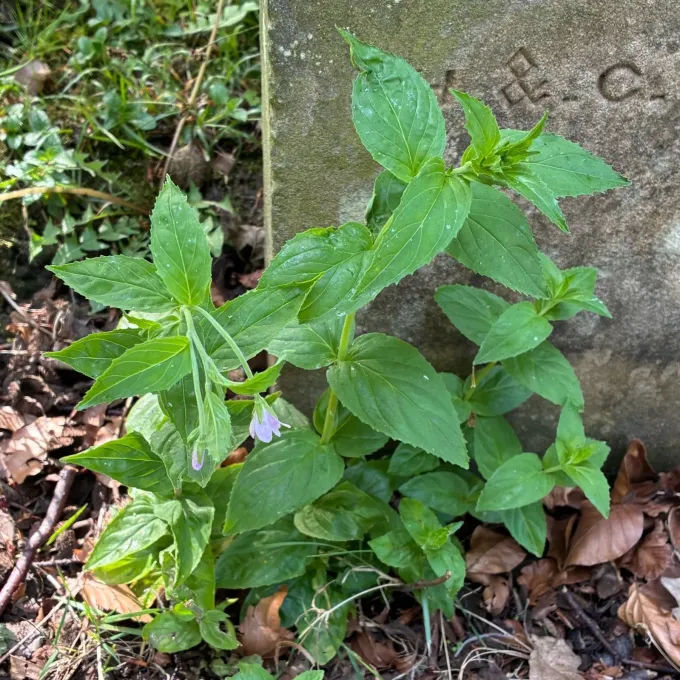
Its botanical structure includes an erect, often reddish stem that can reach significant heights, paired with lanceolate leaves. The plant exhibits a vigorous root system, which acts as a storage organ for carbohydrates, allowing it to recover quickly after the harvest of above-ground vegetative parts.
From an agricultural standpoint, this plant has gained attention as a source for phytochemical production. Its leaves and stems contain bioactive compounds, including tannins and various flavonoids, making it a viable candidate for specialty farming aimed at the pharmaceutical and nutraceutical sectors.
Main diseases and pests
Typical threats include fungal infections such as powdery mildew, which thrive in stagnant, humid air conditions. To manage this, growers must ensure adequate spacing between plants to allow for airflow and minimize the development of pathogens during the peak growth season.
Pests such as aphids and certain lepidopteran larvae may cause damage to the foliage. Implementing integrated pest management (IPM) strategies, including the use of beneficial insects and resistant cultivars, is the most sustainable approach to protecting crop yields without compromising the quality of the harvested material.