
Clarkia pulchella
Clarkia pulchella Pursh
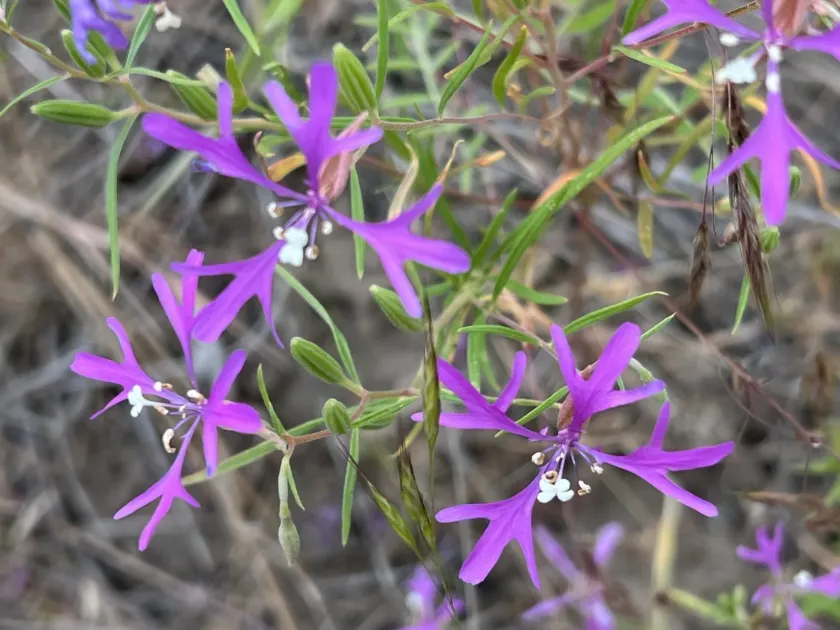
Description
Sowing dates
Clarkia pulchella, a member of the Onagraceae family, is a charming annual plant native to North America. It is typically propagated by seeds, which should be sown directly into the garden soil once the threat of frost has passed in the spring.
For best results, seeds should be sown in April or May. Since the seeds are extremely small, they should be lightly scattered over a well-prepared seedbed and barely covered with a fine layer of soil to ensure proper light exposure for germination.
Once the seedlings have developed their first set of true leaves, it is essential to thin them out. Maintaining a spacing of 15 to 20 centimeters between plants allows for adequate airflow and prevents the development of overcrowding-related diseases.
In regions with milder winters, fall sowing is also an option. Seeds sown in late autumn often germinate earlier in the spring, establishing a more robust root system before the onset of the summer heat.
The germination period usually spans about two weeks. Keeping the soil consistently moist during this initial stage is critical for achieving a uniform plant stand across the flower bed or container.
Growing requirements
This species thrives in sunny locations with well-drained, fertile soil. It is highly intolerant of waterlogged conditions, which makes site selection and soil preparation crucial for successful cultivation.
The ideal soil pH is neutral to slightly acidic. If the garden soil is heavy clay, it is recommended to incorporate sand or compost to improve drainage and prevent the roots from rotting during wet seasons.
While the plant is relatively hardy, it appreciates protection from strong winds that might damage its delicate, spreading stems. Staking may be required in exposed areas to keep the plant upright during heavy blooms.
Watering should be balanced. While seedlings require regular moisture, mature plants are somewhat drought-tolerant. It is best to water at the base of the plant to keep the foliage dry and prevent fungal issues.
Fertilization with a balanced, low-nitrogen compound is beneficial during the budding phase. Excessive nitrogen leads to lush green growth but significantly reduces the quantity and quality of the flowers produced.
Main diseases and pests
Root rot is the most common threat to Clarkia pulchella. It is typically caused by overwatering or poor soil drainage. Improving the site's drainage is the most effective preventative measure against this pathogen.
Aphids are the primary pests that affect this crop. They tend to cluster on the tender tips of the stems, sucking plant sap. Regular inspection and the use of insecticidal soaps or systemic treatments can help control infestations.
Powdery mildew is a frequent fungal issue, particularly in humid or stagnant air environments. Providing good spacing between plants and avoiding overhead irrigation are key cultural practices to minimize this risk.
Rust diseases can also appear on the leaves as orange or brown spots. If detected, affected leaves should be removed immediately, and the plant should be treated with an appropriate fungicide to prevent further spread.
Regular deadheading—the practice of removing spent flowers—not only keeps the plant looking tidy but also prevents seeds from falling and reduces the surface area susceptible to potential fungal pathogens.