
Clarkia unguiculata
Clarkia unguiculata Lindl.
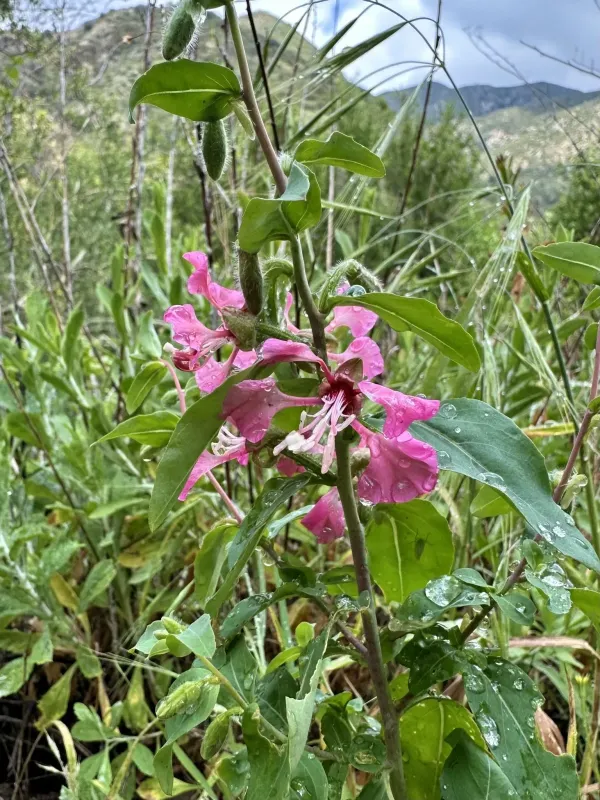
Description
Sowing dates
Clarkia unguiculata, belonging to the Onagraceae family, is a popular annual herbaceous plant native to California. It is typically grown from seeds sown directly into the soil to avoid root disturbance.
The optimal sowing time is during early spring once the risk of severe frost has passed. Seeds should be sown in prepared, loose soil to facilitate proper germination and early root development.
Because the seeds are extremely small, they should be surface-sown and covered with only a very thin layer of fine soil or vermiculite, ensuring they remain in contact with moisture.
Thinning is an essential practice; seedlings should be spaced approximately 20 to 30 centimeters apart to prevent overcrowding and ensure adequate airflow around the foliage.
Once seedlings have developed several true leaves, pinching back the central stem can encourage bushier growth and a higher number of flowering branches later in the season.
Growing requirements
This plant thrives in full sun, which is essential for maximizing flower production and maintaining compact, sturdy stems. Shade-grown plants tend to become leggy and weak.
Clarkia prefers well-drained, slightly acidic to neutral soils. In regions with heavy clay, soil amendment with sand or organic matter is necessary to improve drainage and prevent root rot.
The plant is relatively cold-hardy, tolerating light frost, but it performs best in mild, temperate conditions. Extremely high temperatures during the summer can limit its overall lifespan.
Fertilization should be handled with caution. Avoid nitrogen-heavy fertilizers, as they lead to excessive vegetative growth at the expense of floral development.
Consistent, moderate moisture is key during the establishment phase and peak growth. It is important to water the base of the plant to keep the foliage dry and reduce disease risk.
Main diseases and pests
Root rot, often caused by poor soil drainage and waterlogging, is the most common threat. Maintaining good drainage is the most effective preventative measure against this issue.
Fungal diseases, including leaf spots and rusts, can occur in humid environments. Applying fungicides may be necessary if infestations are detected early to prevent spreading.
Aphids represent a frequent pest that clusters on new growth, causing curling leaves and stunted plant development. Regular monitoring is necessary to keep their populations in check.
In hot and dry periods, spider mites may become a concern. These tiny pests cause yellowing of the leaves and fine webbing, requiring targeted miticide or soapy water treatments.
Integrated Pest Management (IPM) practices, such as encouraging beneficial insects and removing infested plant parts, should be prioritized to ensure healthy growth.
Harvesting
Clarkia unguiculata is highly regarded as a cut flower due to its long vase life and striking, ruffled petals. It serves as an excellent filler or feature in floral arrangements.
For best results, harvest stems when the lower half of the blossoms on the spike are open. This ensures that the upper buds continue to bloom after being placed in a vase.
If seed collection is planned, allow the remaining plants to finish their cycle until the seed pods turn from green to light brown, indicating that the seeds are fully mature.
Harvested pods should be dried in a cool, dark, and well-ventilated area to prevent molding before the seeds are extracted and stored in cool, dry conditions for the next season.
Deadheading spent flowers throughout the blooming period is a recommended maintenance practice, as it prevents seed formation and encourages the plant to produce continuous blooms.