
Farewell-to-spring
Clarkia amoena (Lehm.) A. Nelson & J. F. Macbr.
Description
Sowing dates
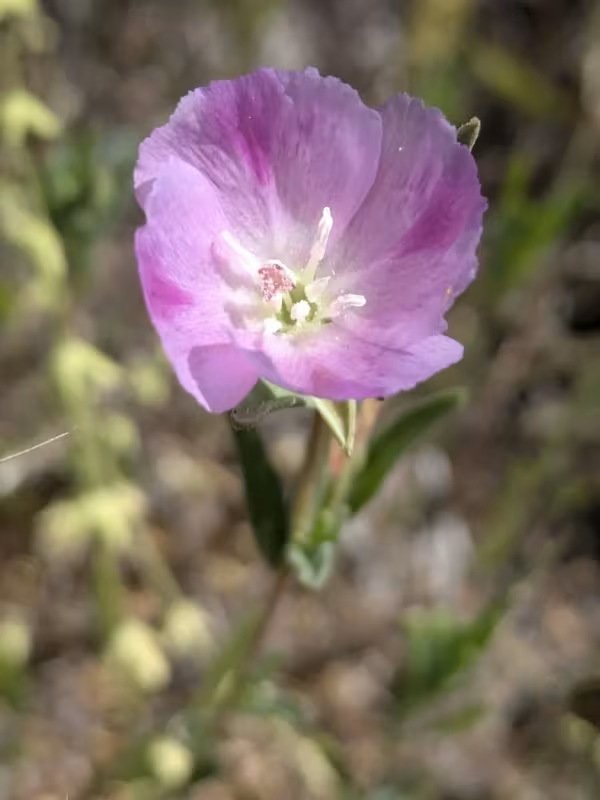
Farewell-to-spring (Clarkia amoena) is a plant species from the Onagraceae family. It is a hardy annual that is typically sown directly into garden beds in spring as soon as the soil can be worked.
For earlier blooms, seedlings can be started indoors 6 to 8 weeks before the last expected frost. Use small pots to minimize root disturbance during the final planting phase.
Seeds are tiny and require light for germination. They should be surface-sown on fine, moist soil and pressed down gently without covering them deeply with substrate.
Maintain consistent moisture and a temperature range of 15-20 degrees Celsius. Seedlings emerge within two weeks and should be moved to a brighter location immediately.
Transplanting requires care as the plant develops a taproot that is sensitive to damage. Harden off the plants before setting them out in late spring to ensure better survival rates.
Growing requirements
This species thrives in full sun but benefits from light shade in regions with extremely hot summers, where excessive heat may lead to early plant senescence.
The plant prefers well-drained, fertile soil. It is adaptable to various soil types, but heavy clay soils should be amended with organic matter to improve drainage.
Watering should be moderate, focusing on keeping the soil slightly moist but never waterlogged. Drip irrigation is ideal for maintaining consistency without wetting the foliage.
Good air circulation is essential for the health of the plants. Avoid overcrowded planting patterns to reduce the incidence of fungal diseases in the late growing season.
Fertilization is generally light; excessive nitrogen application can lead to lush vegetative growth with fewer flowers, which is counterproductive for ornamental gardening.
Main diseases and pests
The main threats to the plant include downy mildew and botrytis, especially in high-humidity climates where moisture persists on leaves for too long.
Aphids are the most common insect pests. They tend to cluster on soft, new growth and flower buds, weakening the plant and potentially transmitting viral infections.
Flea beetles may also cause damage to seedlings by chewing small holes in the leaves, necessitating the use of row covers or appropriate insecticidal soap in severe cases.
Root rot is a significant risk in poorly drained soils. Prevention involves careful water management and ensuring that soil structure allows for rapid excess water drainage.
Integrated pest management strategies, such as regular inspection and the removal of severely affected plants, help maintain the overall health of the floral display.
Harvesting
Clarkia amoena is primarily grown for ornamental purposes in flower beds and as a cut flower. Harvest stems for floral arrangements when the lower buds have opened.
When placed in vases, the flowers provide a refreshing display. Removing lower foliage and changing water every two days will extend the vase life of the stems.
Seed harvesting should be performed once the pods turn tan or brown. It is crucial to collect them before they shatter and disperse seeds across the garden soil.
Dry the collected pods in a well-ventilated area before extracting the seeds. Store the cleaned seeds in a cool, dark, and dry environment until the next planting season.
Properly stored seeds maintain high viability for several years, ensuring consistent propagation results for the following gardening cycles.