
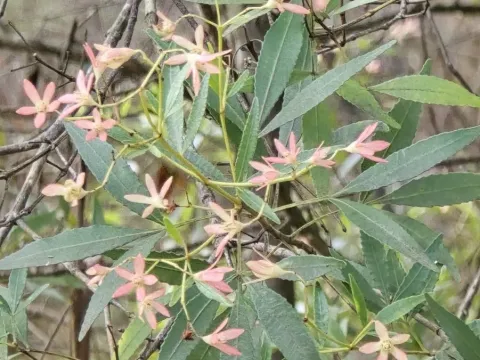
Ceratopetalum
Ceratopetalum
Ceratopetalum is a genus of evergreen trees and shrubs belonging to the Cunoniaceae family. The most prominent species, Ceratopetalum gummiferum, is widely cultivated as a high-value ornamental crop.
What the section contains

Ceratopetalum
Native to the eastern regions of Australia, this plant thrives in temperate climates. In agricultural practice, it requires well-drained, slightly acidic soils that are rich in organic matter to sustain vigorous growth.
The crop prefers locations with full sun to partial shade, sheltered from strong, drying winds. When grown in non-native regions, greenhouse cultivation is often necessary to provide optimal thermal conditions.
Humidity levels of 60-70% are ideal for healthy plant development. Waterlogging must be strictly avoided, necessitating the inclusion of high-quality drainage substrates when planting in heavy or clay-based soils.
The botanical highlight of this plant is its showy, persistent sepals. After the flower petals fall, these sepals expand and turn vibrant shades of red or pink, which serves as the primary commercial attribute.
The primary commercial use of Ceratopetalum is within the cut-flower industry. Its branches, adorned with colorful sepals, are highly sought after by florists for their aesthetic value and long vase life.
Harvesting is typically timed for when the sepals reach peak coloration. Professional harvesters use clean, sharp shears to prevent tissue damage, which ensures maximum water uptake after harvest.
Once gathered, the stems should be promptly processed and placed in water treated with floral preservatives. This procedure significantly extends the longevity of the stems in commercial displays.
Post-harvest storage should occur in cool, climate-controlled environments to minimize respiration rates. This is critical for maintaining the vibrant appearance required for international export and local markets.
Propagation is predominantly achieved through stem cuttings in commercial nurseries, which ensures genetic consistency and uniform quality across the entire plantation.
While generally resilient, Ceratopetalum can be susceptible to spider mites and mealybugs, especially in protected greenhouse environments. Integrated pest management strategies are essential for control.
Fungal issues, such as root rot, are often linked to improper irrigation practices and poor soil aeration. Maintaining correct moisture intervals is the best preventative measure against these soil-borne pathogens.
Leaf chlorosis may occur due to micronutrient deficiencies or incorrect soil pH levels. Regular soil testing and the application of chelated iron supplements are standard procedures for maintaining foliage health.
Insects that target tender new shoots can compromise the quality of future harvests. Early scouting and monitoring of the plantation during the spring growth flush are vital for maintaining high standards.
Crop health is best managed through a combination of cultural practices, such as optimizing light and airflow, and the selective use of environmentally responsible control agents when necessary.