
New South Wales Christmas Bush
Ceratopetalum gummiferum Sm.
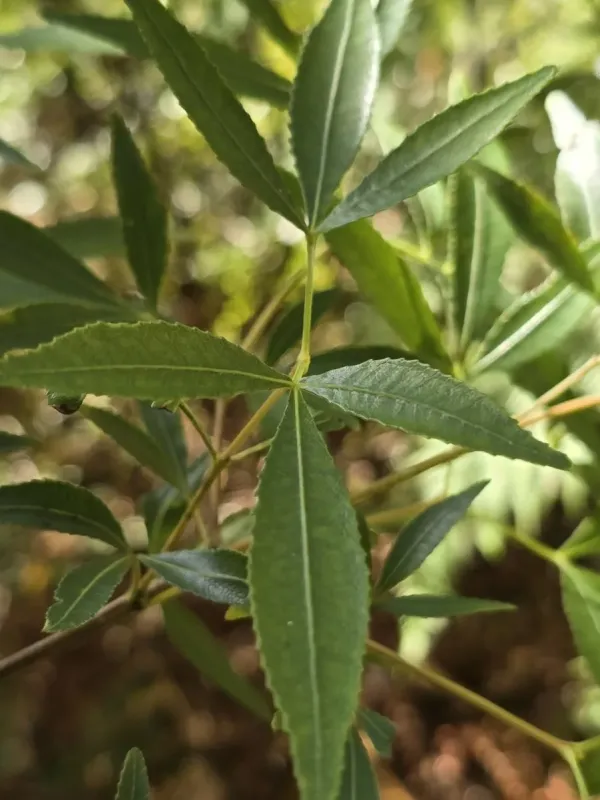
Description
Sowing dates
Propagating the New South Wales Christmas bush is primarily achieved through semi-hardwood cuttings taken during the active growth phase.
Seeds can be used, but germination is often irregular and time-consuming, requiring fresh material and consistent warmth to improve success rates.
When using cuttings, it is recommended to apply a rooting hormone and place them in a perlite-peat moss mixture to ensure optimal aeration for the developing roots.
High humidity levels are essential during the initial rooting period, which is why propagation chambers or misting systems are standard in commercial nurseries.
Once roots are well-established, young plants should be gradually acclimated to ambient conditions before being transplanted into larger containers or field plots.
Growing requirements
Ceratopetalum gummiferum, a member of the Cunoniaceae family, thrives in well-drained, slightly acidic sandy or loamy soils typical of its Australian native range.
This species requires full sun to partial shade; however, the most vibrant red color of its sepals is achieved when the plant receives abundant direct sunlight.
The plant is moderately drought-tolerant once established, but regular watering is necessary during the first two years of growth to develop a strong root system.
It prefers climates without severe frost, making it ideal for coastal regions or controlled environments in cooler, continental climate zones.
Maintaining a balanced nutrient profile with low-phosphorus fertilizers is crucial, as many Australian native plants are sensitive to high levels of this element.
Main diseases and pests
Phytophthora root rot is a major threat to this species, especially in poorly drained soils where stagnant water accumulates around the base.
Pests such as scale insects and aphids can occasionally infest the foliage, leading to secondary problems like sooty mold if not treated promptly.
Monitoring the undersides of leaves for signs of sap-sucking insects is recommended, as early detection prevents severe infestations.
Fungal leaf spots may occur during periods of high humidity and poor ventilation, requiring improved air circulation to manage the issue.
Integrated pest management strategies, emphasizing cultural practices over heavy chemical use, are highly effective for maintaining healthy, productive shrubs.
Harvesting
The primary economic value of this crop lies in the cut-flower industry, where the colorful sepals are highly sought after during the festive season.
Harvesting is performed by selecting stems with fully developed and pigmented sepals, ensuring they are cut cleanly to encourage secondary growth.
For long-lasting results, stems should be immediately placed in clean water with a floral preservative to maintain the integrity of the foliage and color.
Regular pruning is a fundamental practice; it serves both as a harvest method and a way to shape the shrub for better yield in subsequent seasons.
Proper post-harvest handling includes keeping the stems away from direct sunlight and ethylene sources, which can accelerate the aging process.