
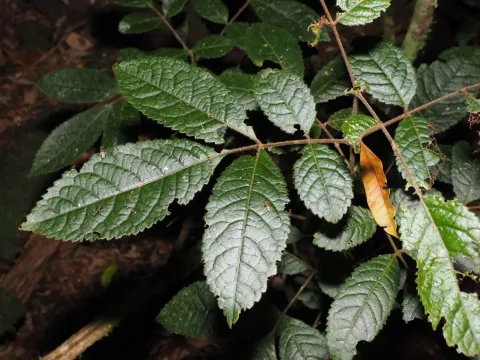
Ackama
Ackama
The genus Ackama belongs to the Cunoniaceae family and consists of evergreen trees native primarily to New Zealand and parts of Australia. These plants are essentially forest-dwellers that thrive in lush, humid environments where they form a critical part of the understory ecosystem.
What the section contains

Ackama
To ensure healthy development, Ackama requires a climate that mimics its natural temperate-subtropical range. This means avoiding harsh frost and maintaining relatively stable, mild temperatures throughout the year while protecting the foliage from drying, high-speed winds.
Soil requirements are centered on excellent drainage and a rich composition of organic matter. The species performs best in deep, fertile soils that remain moist but never waterlogged. Any sign of compaction or poor drainage will immediately impact root health and overall vigor.
Light management is a vital part of the plant's husbandry. While young trees are strictly shade-tolerant, mature specimens require dappled or filtered sunlight to sustain the density of their canopy. Excessive direct sunlight in hot climates can scorch the leaves and induce water stress.
Basic cultural practices include consistent mulching to preserve ground moisture and suppress competitive weeds. During the growing season, a balanced approach to organic fertilization ensures the plant receives the nutrients necessary for steady, healthy growth without forcing weak tissue development.
Fungal pathogens represent the most significant threat to Ackama, particularly in stagnant, high-humidity environments. Leaf spot diseases and root rot are prevalent when air circulation is compromised or the soil remains saturated for extended periods.
Pests such as scale insects and aphids often target young growth, weakening the tree's immune system. If left unmanaged, these infestations can lead to sooty mold growth, which interferes with the plant’s photosynthetic capabilities.
Integrated pest management is recommended over the use of harsh synthetic chemicals. Introducing beneficial predators or utilizing horticultural soaps can effectively control pest populations without disrupting the delicate balance of the plant's ecosystem.
Sanitary pruning serves as the first line of defense against disease. By removing dead, dying, or diseased branches, you improve air penetration through the canopy, which directly reduces the likelihood of fungal colonization in denser parts of the tree.
Regular monitoring of plant health allows for the early detection of stress symptoms. Paying close attention to leaf discoloration and bark condition is essential for identifying potential issues before they escalate into systemic problems for the whole specimen.