
Calyptrogyne
Calyptrogyne
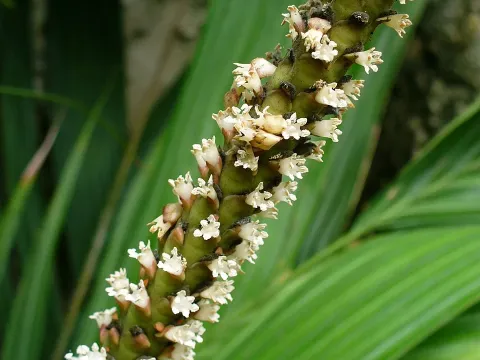
Calyptrogyne is a genus of flowering plants in the palm family, Arecaceae. These tropical palms are native to the moist, lowland forests of Central and South America, where they typically thrive in the understory of dense rainforests.
What the section contains

Calyptrogyne
To cultivate this plant successfully, one must maintain tropical conditions with consistent temperatures between 22 and 28 degrees Celsius. The species is highly sensitive to cold stress and should never be exposed to temperatures approaching freezing point.
The soil requirements involve a well-draining, humus-rich substrate that maintains consistent moisture without becoming waterlogged. Acidic to slightly acidic soil compositions are preferred to match their native habitat conditions.
Calyptrogyne species are highly shade-tolerant and perform best under filtered light conditions. Direct sunlight is generally avoided, as it can cause significant scorching of the leaf tissues, leading to aesthetic damage and growth inhibition.
Agricultural management requires consistent irrigation and high humidity levels. In greenhouse or interior settings, regular misting of the foliage is essential to replicate the humid atmosphere of their native rainforest environment.
The primary threats to Calyptrogyne cultivation include fungal infections, specifically root rot, which typically occurs due to poor soil drainage or overwatering. Maintaining a porous soil structure is the most effective preventative measure.
Common pests include spider mites, which tend to proliferate when the ambient humidity is too low. These pests can rapidly damage the leaf surface, leading to loss of vigor and potential secondary infections by pathogens.
- Scale insects (coccids)
- Mealybugs
- Root-knot nematodes
- Fungal leaf spots
Integrated pest management involves regular visual inspections of the foliage and stems. When pests are detected, the use of mild horticultural oils or specialized insecticides is recommended to manage populations without harming the plant.
Maintaining proper hygiene in the growing area is crucial for long-term health. Removing dead organic matter and ensuring adequate air circulation can significantly reduce the risk of outbreaks and keep the palm in optimal health.