
Calyptrogyne ghiesbreghtiana
Calyptrogyne ghiesbreghtiana
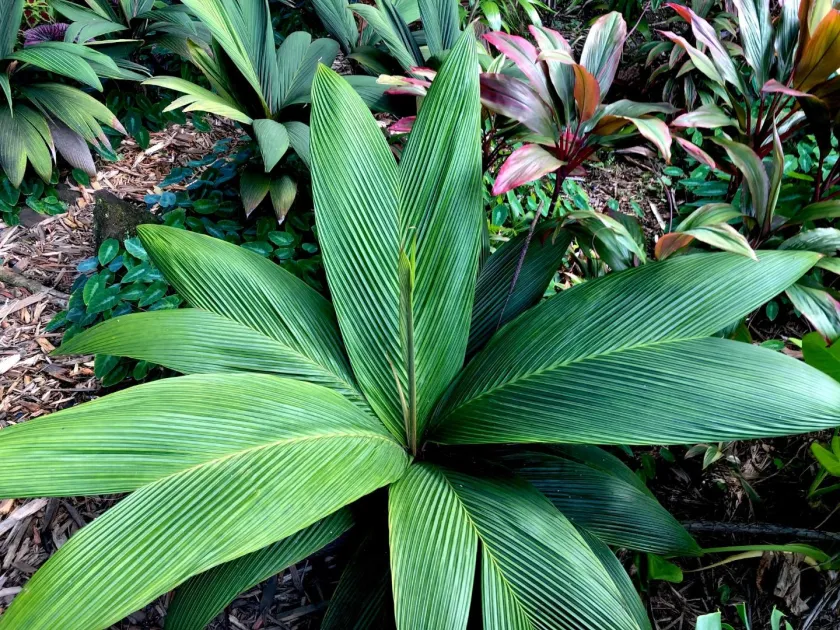
Description
Growing requirements
Calyptrogyne ghiesbreghtiana is a member of the Arecaceae family, native to the humid rainforests of Central America, specifically regions in Mexico and Belize where it thrives in shaded environments.
The plant is highly valued for its elegant, pinnate foliage and its ability to grow in understory conditions, making it an excellent candidate for shaded tropical landscaping and specialized greenhouses.
To cultivate this palm successfully, it is essential to mimic its natural environment by providing consistent high humidity levels, ideally staying above 70 percent throughout the year.
The ideal soil composition should be highly organic, well-draining, and slightly acidic, ensuring that the roots remain moist but are never submerged in standing water for prolonged periods.
Temperature management is crucial; the plant performs best in a narrow range of 22 to 28 degrees Celsius, as sudden cold drafts or extreme heat can cause severe leaf tissue damage.
Main diseases and pests
Spider mites are the most common pest to plague Calyptrogyne ghiesbreghtiana, particularly when ambient humidity drops and the air becomes stagnant, leading to rapid infestations.
Root rot, caused by various species of fungi, often occurs when the potting medium is too dense or irrigation is excessive, compromising the plant's ability to take up nutrients.
Scale insects can occasionally infest the palm, attaching themselves to the stems and leaf undersides, slowly extracting plant sap and leading to a decline in vigor and overall health.
Effective management strategies involve regular physical inspection of the leaves, maintaining high hygrometry, and using targeted horticultural soaps for early intervention against pests.
Maintaining proper hygiene by clearing debris around the base of the plant and ensuring adequate air circulation significantly reduces the risk of recurring fungal pathogens.