
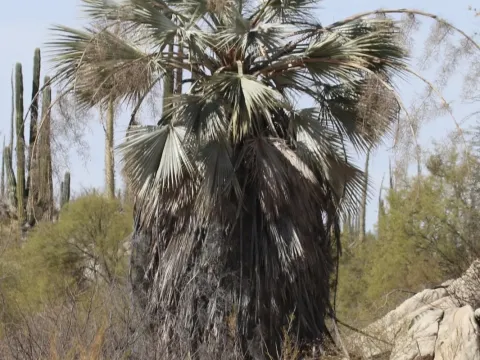
Brahea
Brahea
Brahea is a genus of flowering plants in the palm family (Arecaceae), native to Mexico and Central America. These palms are widely recognized for their fan-shaped fronds and robust trunks, making them popular subjects for landscape design and interior decoration.
What the section contains


Brahea
The cultural requirements for Brahea emphasize the need for high light intensity. They thrive in full sun conditions, which stimulate compact growth and healthy leaf coloration. In indoor environments, they should be positioned in the brightest location available to prevent etiolation.
Soil quality is paramount for the health of these palms. The ideal growth medium is a well-draining, slightly acidic substrate that allows for proper aeration. Using containers with adequate drainage holes is essential to prevent root asphyxiation during the growth season.
Environmental stability is important for Brahea, although they are generally hardy. They prefer moderate temperatures during the growing season and appreciate a cooler, dormant period during the winter months, which mimics their natural climate variations.
Irrigation management requires a balanced approach. While these plants prefer regular moisture during peak growth, they are notably drought-tolerant once established. During winter, it is safer to keep the soil slightly on the dry side to avoid fungal issues in the root zone.
Spider mites represent a major threat, particularly in dry indoor environments where their populations can explode quickly. Frequent misting and the use of appropriate miticides are standard interventions to keep these pests under control.
Scale insects are common pests that attach themselves to the underside of the leaves and the petioles. They extract sap, weakening the plant, and their presence is often accompanied by the development of sooty mold on the honeydew they excrete.
Root rot is the most common physiological issue caused by poor drainage and excessive watering. Once the root system is damaged by pathogens like Phytophthora, recovery is difficult, making prevention through controlled watering the best strategy.
Leaf spot diseases, often caused by fungi or bacteria, can occur if the foliage remains wet for extended periods in stagnant air. Ensuring good airflow and removing infected fronds are critical steps to maintain the plant's aesthetic value and health.
Nutrient deficiencies, specifically magnesium and potassium, can appear as interveinal chlorosis or browning of leaf tips. Providing a high-quality, palm-specific fertilizer with essential trace elements helps sustain the plant throughout the growing season.